
London to miss 2030 Net Zero target, Mayor admits as he calls for more ‘energy devolution’
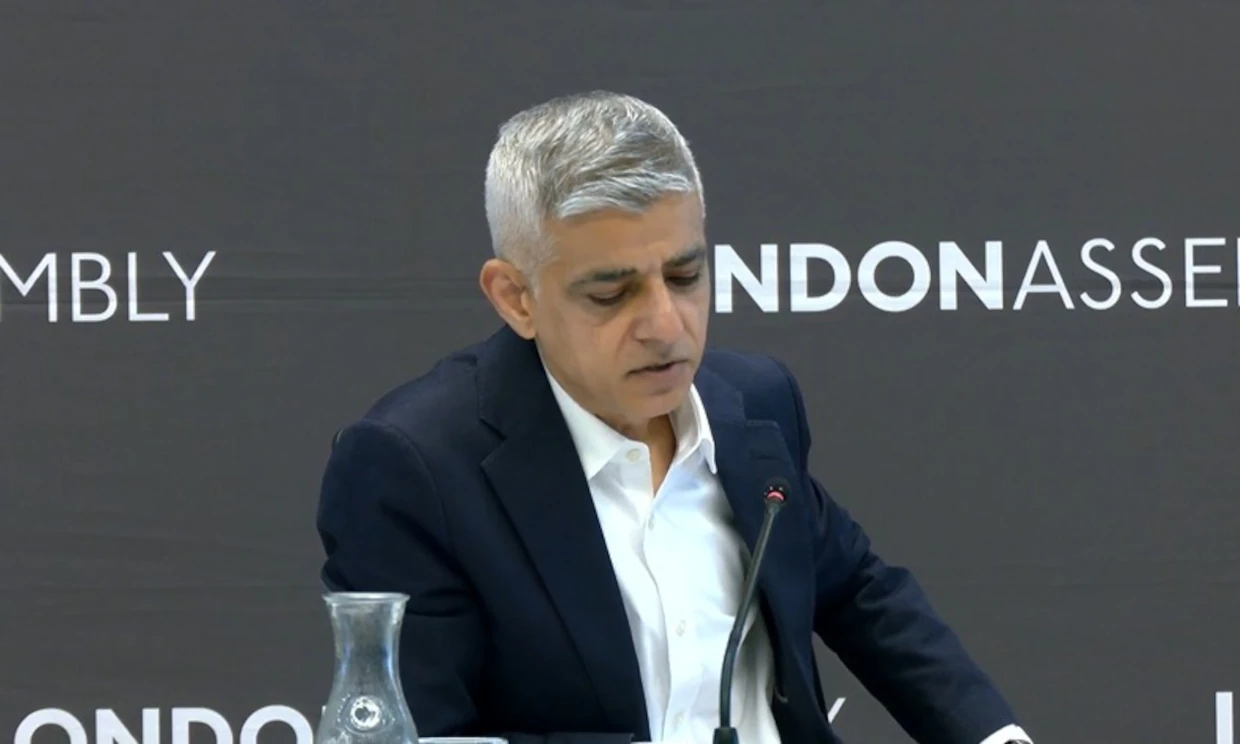
The Mayor of London has called for more devolution over energy policy after admitting that the capital will not be net zero carbon by 2030.
Sir Sadiq said his policies – which include the Ultra-Low Emission Zone (ULEZ) and electrifying the bus fleet – have led to “lots of progress” in bringing down carbon emissions in London during his tenure.
However, he said a lack of direct control over the energy grid – which still heavily relies on fossil fuels – means that the 2030 target will probably be missed.
The bodies he controls through the GLA – including Transport for London (TfL) and the London Fire Brigade (LFB) – are on track, however.
London Assembly Member and Green party leader Zack Polanski had told the Mayor that current measures by City Hall were ‘siloed’ from one another, despite being individually beneficial.
Sir Sadiq admitted that “his criticism is a fair one” before throwing down the gauntlet to ministers for further devolution.
“The funding comes from different pots of money, it’s frustrating,” he told Polanski during Mayor’s Question Time last Thursday (21 May).
“If we had an integrated settlement, monies devolved to London in one pot, we could have some joined-upness.”
Under last year’s government spending review, London was officially granted its first ever integrated settlement spanning from 2026 to 2029. However, the money is tied to hitting certain target outcomes and crucially, does not give the Mayor powers over the energy grid within the city itself.
Sir Sadiq added: “A simple example – TfL uses its procurement power to change the market. If you think about the police, fire service, NHS – the public sector in London has the power to change the market.
“By 2030, we will have made lots of progress – we won’t get to, on current trajectory, Net Zero in London. We will get there for the GLA group, which is a big achievement considering where we started.
“What I’d like is more devolution.
“The grid has got to change – a lot of the problems we are having are because the grid relies on fossil fuels. If we can change that, the opportunities are huge.
“We’ve also got to retrofit buildings – we can’t give people renewables (in new buildings) and cheaper bills but then let it all out again.”
Sir Sadiq first made his 2030 net zero promise six years ago when campaigning to be re-elected for his second term in office.
It is far more ambitious than the current or previous government, both of whom have set a target date of 2050.
Polanski later told the Local Democracy Reporting Service (LDRS): “We need to be honest about the scale of the challenge London still faces from the climate crisis.
“The mayor is right to say London isn’t on course for net zero by 2030 – we should be targeting more effort at that now. And this should be non-negotiable. Climate science doesn’t care about politics.
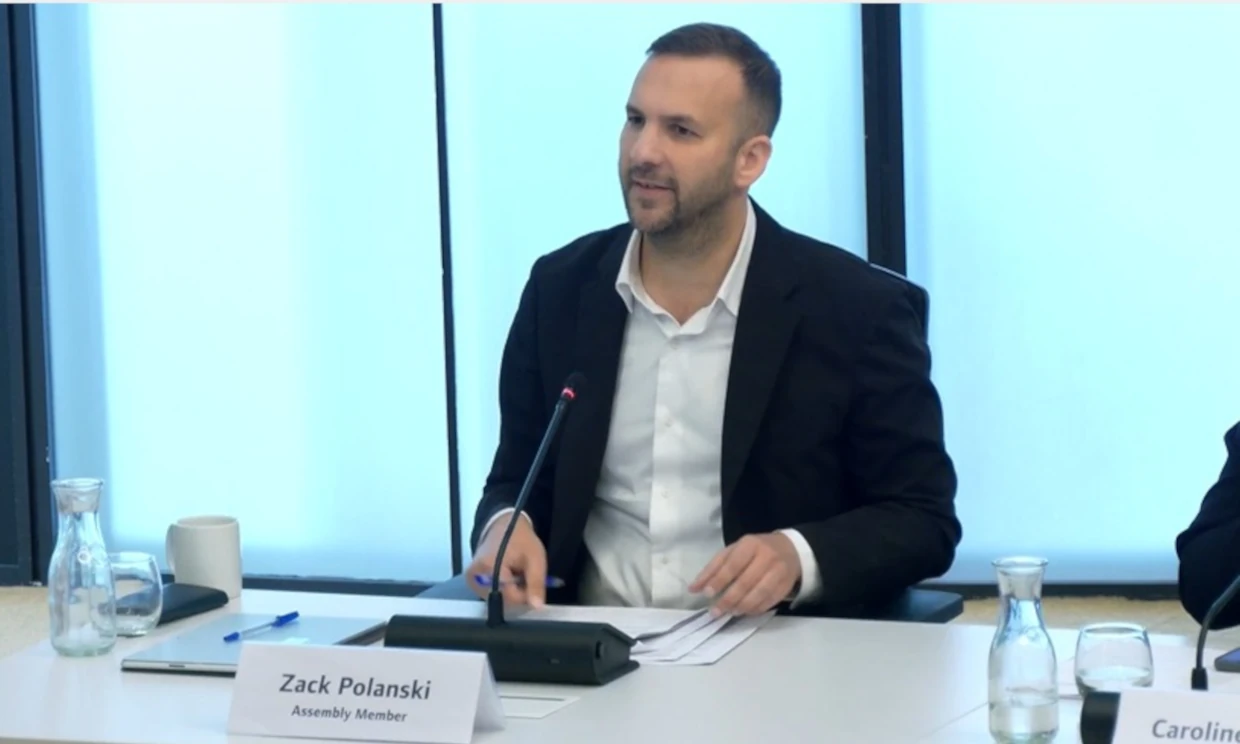
“There are so many other benefits London could have from the investment we need – cheaper energy, cooler homes and better transport. The Government should be supporting cities to get on and invest in tackling climate change.”
Asked further about realistic targets for London in the coming year, Sir Sadiq said he would give Londoners the “tools” they need to reduce their bills and keep pushing a mass retrofitting programme in the capital.
The ministry for housing, communities and local government was contacted for comment.
CO2 (a miracle of nature which plants use to create oxygen and make the world bloom) is 0.038% of the atmosphere. Nature creates 97% of CO2 leaving just 3% of 0.038% to humans (or 0.00114% of the atmosphere). The UK produces 1% of this (0.0000114% of the atmosphere), and London produces a tiny percentage of this.
Whilst Sadiq Khan and politicians in general may indeed have a God complex, changing 0% of the atmosphere is not going to change the weather.
Even if it was true, and it’s not, that CO2 is bad for the atmosphere changing nothing = nothing.
Calm down, Khan. You can do something about crime and murder, and rape gangs (so called grooming gangs) though. So stop trying to divert attention with this tired old trope.
Only imbeciles, egotists and members of the middle-class death cult fall for this nonsense still.