

Hackney Council failed to renew a major deal for housing repairs for more than six years despite internal warnings about the decline of the borough's social homes, the Local Democracy Reporting Service (LDRS) has learned.
To meet compliance standards for its roughly 30,000 social homes, Hackney — like every English council — must carry out two kinds of repairs to its stock: short-term "reactive" fixes and long-term capital works. It often outsources these to third-party contractors, and for efficiency has relied on multi-year deals with preferred firms, known as "main contractor frameworks."
Yet although the council's last framework expired in 2019, it repeatedly failed to secure a replacement, piling pressure on reactive repairs and, insiders claim, causing the council to miss an entire structural repairs cycle.
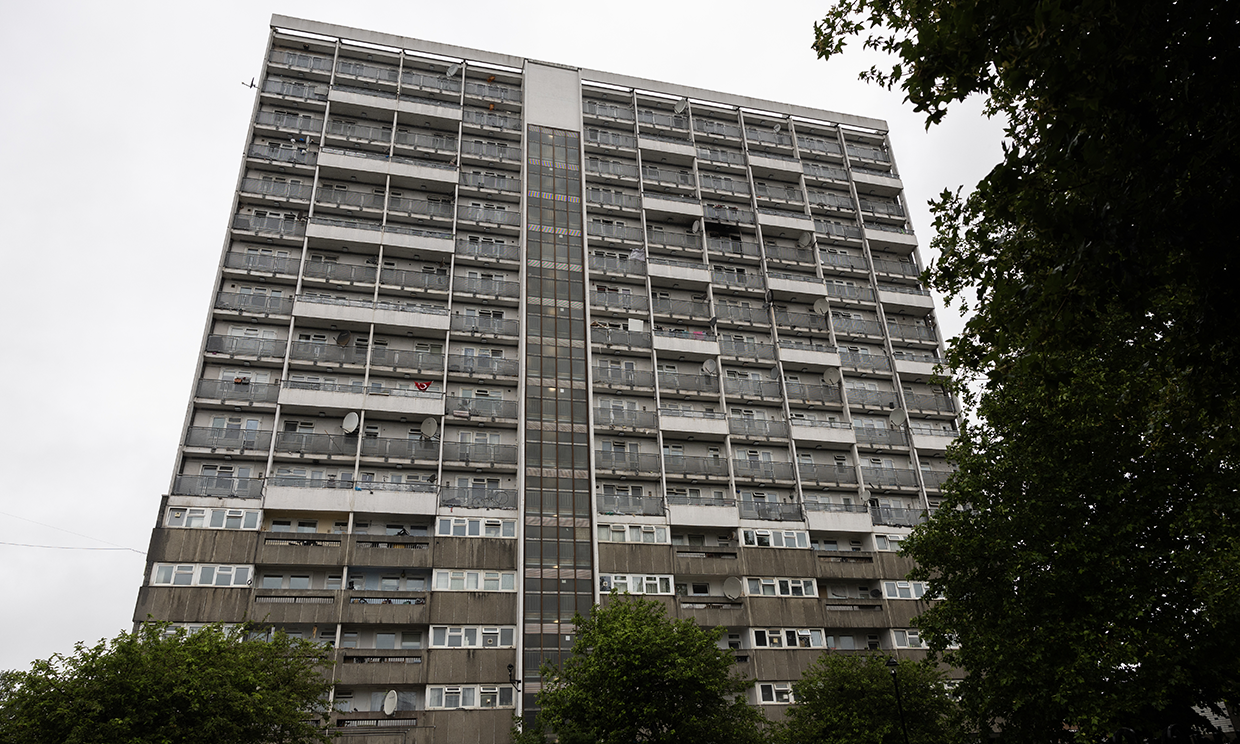
In the near-seven years since the contract lapsed, the council has twice been hit with damning watchdog findings. Between them, the Regulator of Social Housing and the Housing Ombudsman identified a litany of health and safety issues, as well as deep problems in how Hackney handled soaring complaints over disrepair and maintenance.
The council has blamed the lingering effects of the Covid-19 pandemic and a 2020 cyber attack that wiped vital housing data and hobbled its management systems. But council records and insider accounts suggest the missing contractor framework paralysed its ability to carry out major structural works to a decaying stock.
Hackney triggered the procurement process for a new £180m framework in October 2025 — its third attempt. That followed a doomed effort the year before to find a procurement shortcut, pursued despite warnings of the legal consequences. The council has refused to disclose how much the failed strategy cost.
It has also repeatedly declined to explain why no new framework was secured, or why progress was so slow while residents in blocks such as Fellows Court continued to plead with the council to address their "atrocious" conditions. Interviews with staff suggest the reasons went beyond the pandemic and cyber attack.
'Like a rudderless oil tanker'
As early as June 2019, the council was warning that high turnover among senior staff had left it without the internal expertise to replace the contractor agreement. Council reports state that many "key staff" left as the authority reabsorbed its arms-length management body, Hackney Homes.
Under procurement law, such contracts have strict lifespans, allowing councils to change suppliers or adjust terms. Hackney's expired in November 2019 with no replacement, though the council was legally permitted to keep using it until August 2020. When the pandemic hit in March 2020, major capital works were put on hold, and the council secured a one-year extension to August 2021.
According to an insider the LDRS is calling Max, who joined Property Services in 2020, the "constant churn" of staff continued to hobble efforts to secure a new framework.
To his astonishment, little came of his raising the alarm with senior managers in 2023 over the urgent need for one — with the "shocking state" of blocks including Fellows Court and Pitcairn House a constant reminder.
That September, the Housing Ombudsman launched a special investigation into the scale of complaints against the council.
Speaking to the LDRS, the former officer described his department as a "rudderless oil tanker," accusing senior management of dismissing his warnings that the absent contract was letting stock deteriorate.
Meanwhile, he said, the borough's £160m housing budget was being spent on reactive repairs — workers painting over walls riddled with damp and mould rather than tackling the root cause.
Max was also scathing about the council blaming the crisis on the cyber attack. "It was probably the biggest blessing" for the council, he said, claiming the legacy IT systems were "already on their last legs."
A second former officer, speaking anonymously, said he too had warned bosses about the outdated contract and was mystified by the failure to replace it, his concerns brushed aside by management he described as including some "pretty inept" staff.
"It's a massive contract, and it's really peculiar that it wasn't re-procured. It's not a difficult thing to do," he said, adding: "It was a cock-up, but not a conspiracy."
The watchdogs investigate
Having lost confidence in senior management, Max blew the whistle in May 2024 to the Regulator of Social Housing (RSH) and the Housing Ombudsman over a litany of issues.
These included the missing framework, the failure to survey housing conditions since 2018, and the fact that between 5 and 10 per cent of Hackney's social homes — some 1,600 to 3,200 properties — were suffering "serious damp and mould issues."
He added that the council had relied on Google Sheets since the cyber attack crippled its housing IT system, with no replacement yet in procurement.
The regulator confirmed on 21 June that it had escalated the referral. Hackney self-referred to the RSH the same month, announcing that external assessors had found its stock non-compliant with new safety and quality standards introduced that April — though Max claims the council was trying to "take the sting out" of a probe triggered by his revelations.
Two months later the regulator published its report, handing Hackney a C3 rating and identifying "serious failings" across its stock. Afterwards, the number of open damp and mould cases rose from 1,422 to 1,967.
In its response, the council named "contractor capacity and management" as a key driver of the failings, exacerbated, it said, by the pandemic and the cyber attack, which had wiped its housing stock condition data from 2019–2020.
The August 2024 report also revealed that more than 15,000 homes were without a current electrical safety certificate — 7,000 of which had never had one — and over 400 homes lacked statutory gas safety inspections.
On 22 May 2025, two weeks after Hackney's then cabinet member for housing, Clayeon McKenzie, resigned, the Housing Ombudsman published his special investigation, criticising the council's overly positive approach to spiralling complaints.
The watchdog later called Hackney an "outlier" among boroughs for the severity of its failures.
The council then released its Housing Improvement Plan, pledging to survey its stock to gauge the scale of works needed.
In later reports it publicly accepted that "delayed or incomplete capital works" had largely contributed to its failings over leaks, damp and mould, and admitted it had "insufficient internal resources for contract management due to restructures or competing priorities."
A botched shortcut
Following the RSH downgrade, in October 2024 the council began using a shortcut to appoint contractors quickly for £180m of capital works through a "Fusion 21" framework. But legal advisers warned of risks stemming from council leaseholders.
Under the Landlord and Tenant Act, councils must consult leaseholders before agreeing a new framework if they want to recharge them for major capital works.
Hackney had missed the window to notify leaseholders, exposing it to legal action that could force it to cap service charges for refurbishment. Six months later it abandoned the route, limiting the Fusion 21 framework to internal works only.
Council reports from March 2025 showed procurement remained on hold owing to "conflicting priorities."
As the disrepair dragged on, residents in Fellows Court and Pitcairn House protested over conditions, with those in the latter withholding service charge payments until problems including damp, mould and leaks were addressed.
The council responds
The LDRS put several questions to Hackney earlier this year about why the process had taken more than six years. The council declined to answer many, including on the shortage of staff with procurement expertise and the pace of progress before and after the pandemic.
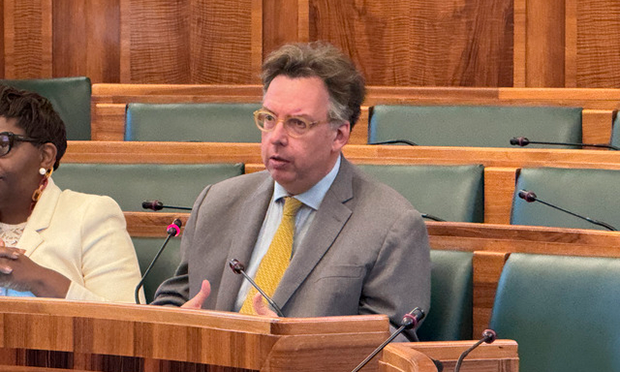
In February, Hackney's then deputy mayor Guy Nicholson (Labour) said the council aimed to build a "full integrated back office system" after losing so much data to the cyber attack, adding that it held stock condition data on 30 per cent of its homes.
He said the council had put in place contracts with "a range of specialist companies" to deliver its refurbishment commitments to tenants and leaseholders.
After May's local elections delivered a new Green administration, the LDRS again put its findings to the council.
Deputy mayor and cabinet member for safer homes and housing services Cllr Dylan Law pledged that the council would "learn from historic issues" and ensure past mistakes "do not happen again."
"Changes must and will be made under my watch so that the mistakes of the past do not happen again in the future," he said.
"Good quality housing and services help improve the quality of life for all of our tenants — and this is what I and Mayor Garbett are actively working towards and committed to delivering."
The council pulled the trigger on procurement of a new framework in October 2025. If successful, the deal will allow capital works to start on site by November 2026 — seven years after the original framework expired.


