

A former Hackney councillor, newly knighted for his work on racial equality, will return to the borough this week to chair the opening night of a documentary about the black and working-class people who make it into academic health research — and the many who never do.
Professor Sir Patrick Vernon, the social commentator and campaigner who served eight years as a Labour councillor for Queensbridge ward before it was abolished, will lead a panel discussion after the film's first screening at the Rio Cinema in Dalston on Thursday (9 July).
https://vimeo.com/1206416581
The film, Turning Points: Black and Working Class Journeys into Health Research, is the work of Professor Karen Wells, director of the Birkbeck Institute for Social Research.
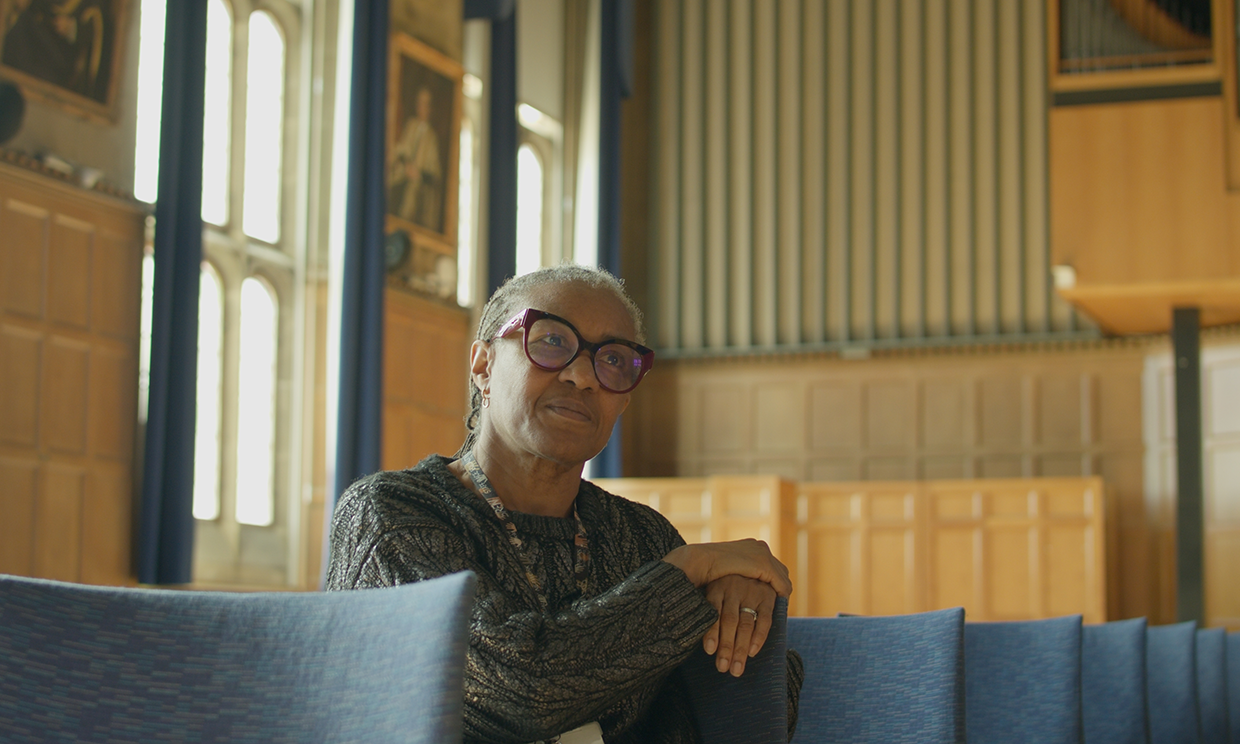
Its 44 minutes follow three professors and a PhD student as they explain how they came to health research, the obstacles they met, and the knowledge they have since helped to produce. The screening is free.
“The idea of the film was to think about what differences people bring to their research when they have lived experience of inequality,” Wells said.
The documentary was paid for by a Wellcome Trust grant to Birkbeck, University of London, where Wells is also a professor of international development and childhood studies. The money was intended to build a more diverse research culture.
“One of the activities within that was to make a film featuring black academics of any class and working-class people of any ethnicity, because black people are very underrepresented in academic spaces, as are working-class people,” she said.
Four lives
To find their subjects, Wells and her colleague Dr Haroon Forde interviewed a range of academics before choosing four women.
The pair then spent a day with each of them, talking in their workplaces and, for two, in their homes.
Bartek Dziadosz, director of Birkbeck’s film-making unit, the Jarman Lab, filmed the encounters and made the film.
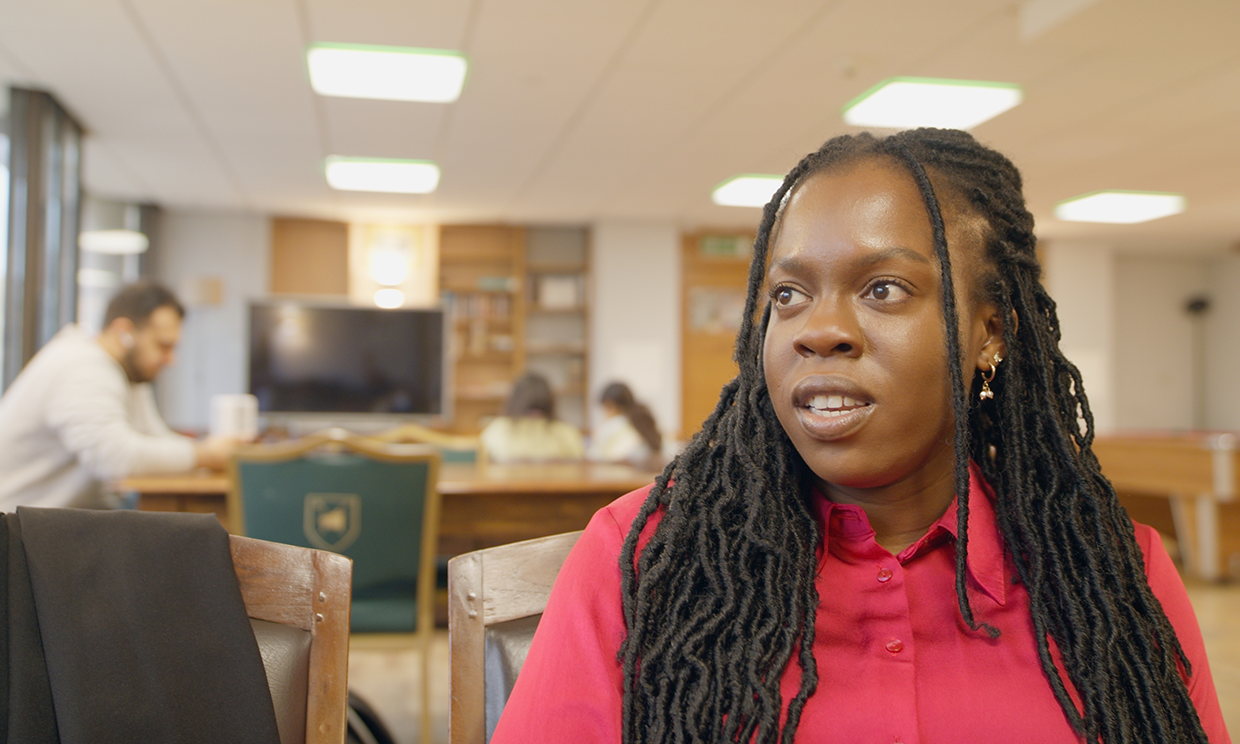
“[We wanted to] give people a sense of what academic life is like and what you do when you are an academic,” Wells said.
“What does it mean to do academic research, and how and why did these four women decide to go into and stay in that kind of field.”
The barriers
Vernon, who has worked for the NHS and in the civil service at the Department of Health, said he hoped the panel would tackle the practicalities — “how to get into academic research, what's the best routes to do, how they can start that process” — as well as the harder questions about who the academy is for.
“It still feels a bit elitist in 2026,” he said. “How can we break down the barriers for more inclusion?”
He put the shortage of diversity down to three things. “It's about confidence, thought, belief for people that they can be in our spaces,” he said.
“Secondly, it's hard work, you've got to be disciplined … it's being in the right environment that helps you to learn and to educate and grow. [Thirdly] social mobility is going backwards - it means there are fewer opportunities for working-class and black communities to get into that.”
Money, he added, was now a decisive barrier. “I was very lucky to get to go to university at a time when you had a grant and your fees were paid for. Those days have gone,” he said. “If you haven't got the bank of mum and dad, you're really completely stuffed.”
Research into policy
For Vernon, the stakes reach well beyond the seminar room. Research, he argued, shapes the decisions politicians take — “using research work and evidence to demonstrate to policymakers and politicians that some perspectives and different views are based on lived experiences.”
He pointed to his own campaign for routine prostate cancer screening, particularly for black men, as a case where he believes outdated evidence is producing bad policy.
“They don't see it as a priority,” he said. “I've been writing letters to MPs, lobbying, working with charities, to say actually you're not looking, the evidence that you're depending on is 30 years out of date, so you're making bad policy decisions.”
On the road
After Dalston, the film travels to Tottenham, Peckham and Brixton. “These are all historically black, working-class neighbourhoods,” Wells said of the choices.
Vernon will chair the discussion at each. “There will be screenings across London so please watch the film, give feedback,” he said. “I'll be there at all the screenings, I'll be chairing the Q&A, so come and say hello to me.”
The Rio has shown films on Kingsland High Street since 1909. It became a community-led charity in 1976 and remains a fixture of London's independent film culture.
At the Dalston panel Vernon will be joined by two of the professors from the film, by Dr Chetna Modi, who will speak on NHS training pathways, and by Wells and Forde.
Open minds
Vernon, who was knighted in the 2026 Birthday Honours, described the award as a “lifetime achievement” and said the response had moved him.
“I've had so many messages from people, and even people who are kind of against the honour system have actually contacted me,” he said. “It's not so much about the knighthood, it's about the recognition of my work, so that's been touching.”
He hoped the film would “open minds” among young black and working-class viewers. “Don't give up on your dreams and aspirations,” he said.
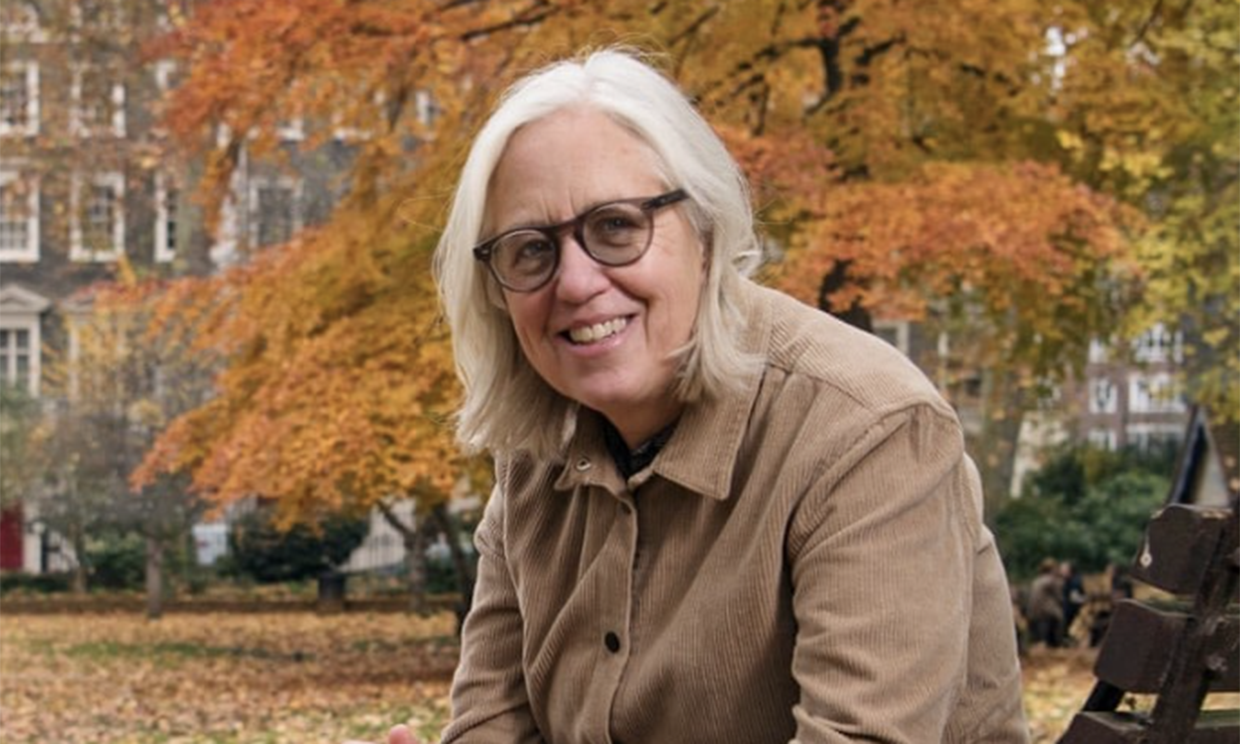
Wells, too, hoped the audience might see themselves in the four women on screen.
“It's important that knowledge production gets done by diverse groups of people,” she said. “[Hopefully viewers will] enjoy seeing these four people flourishing in their careers and lives, and enjoy the film.”
Free tickets for the Rio screening of Turning Points: Black and Working Class Journeys into Health Research can be booked here.


