
Remembering Ishaque Ali and Hackney’s resistance to racism
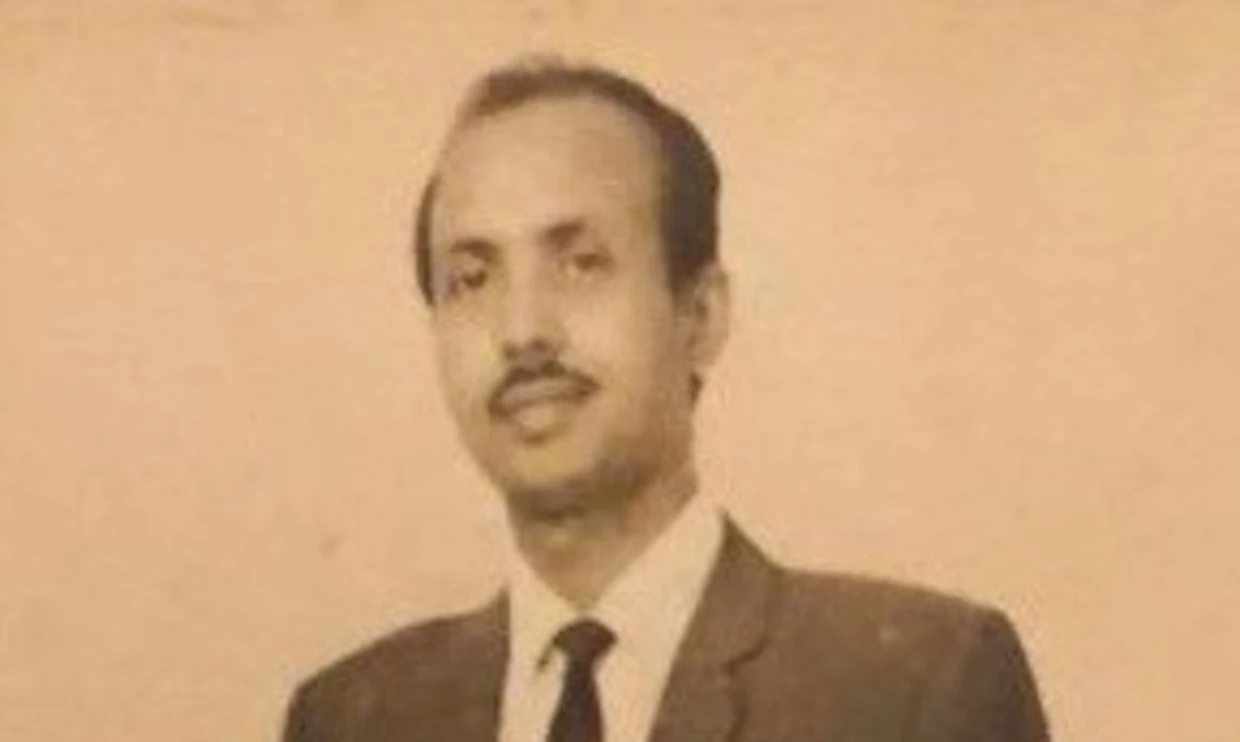
The racist murder of Altab Ali in May 1978 is widely recognised as a turning point for the Bengali community in East London. His killing galvanised a generation of activists and united a community that had endured years of racist intimidation, violence and discrimination.
Historian Ethnie Nightingale described the events surrounding Altab Ali’s death as the beginning of the “Battle of Brick Lane”, when young Bengalis, supported by trade unionists, anti-racist campaigners and socialists, decided to confront the far-right National Front (NF) after years of attacks on the streets of East London. Community activist John Eversley later argued that public anger stemmed not only from the murder itself but also from the perceived failure of institutions to respond adequately.
Until then, many Bengalis had suffered racist abuse in silence. While some young people had organised informal self-defence groups, the wider community had largely remained on the sidelines. The events of 1978 changed that. Faced with escalating violence, doing nothing was no longer an option.
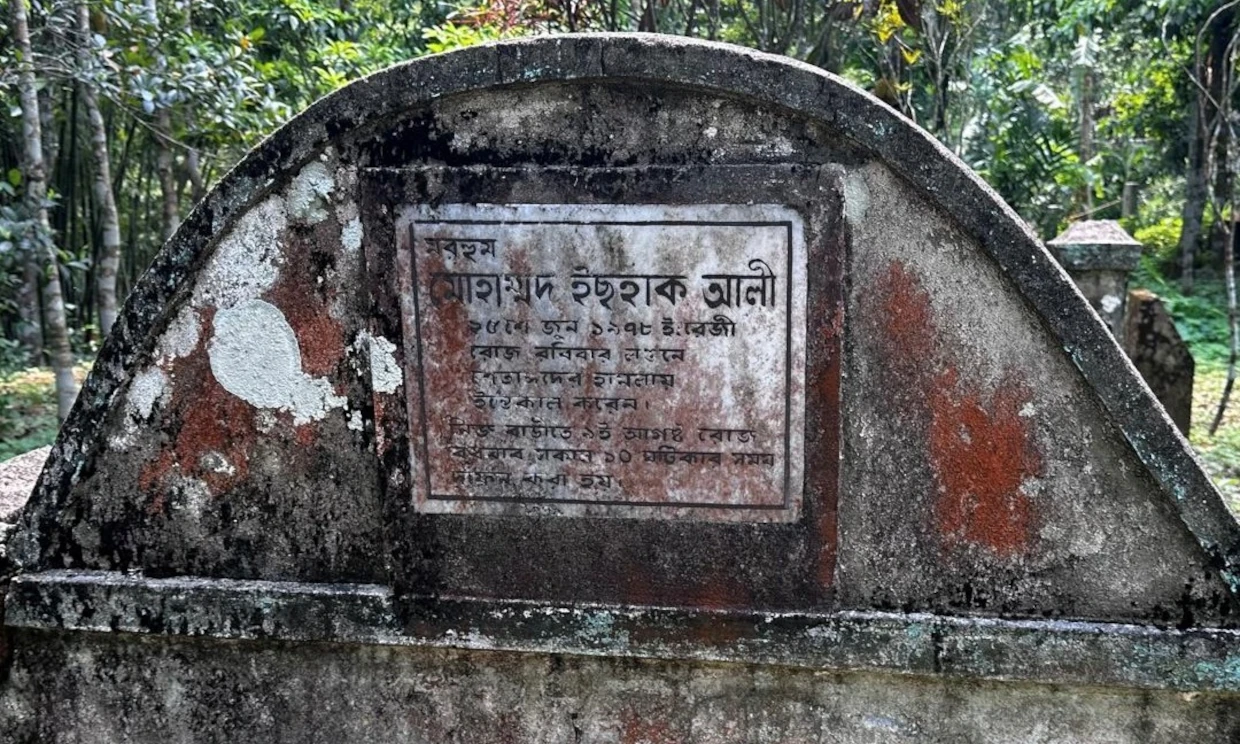
Within weeks of Altab Ali’s murder, another Bengali man, 45-year-old Ishaque Ali, died following a violent attack in neighbouring Hackney. His death became another rallying point in a summer marked by protests, strikes and political mobilisation against racism and fascism.
The Hackney attack
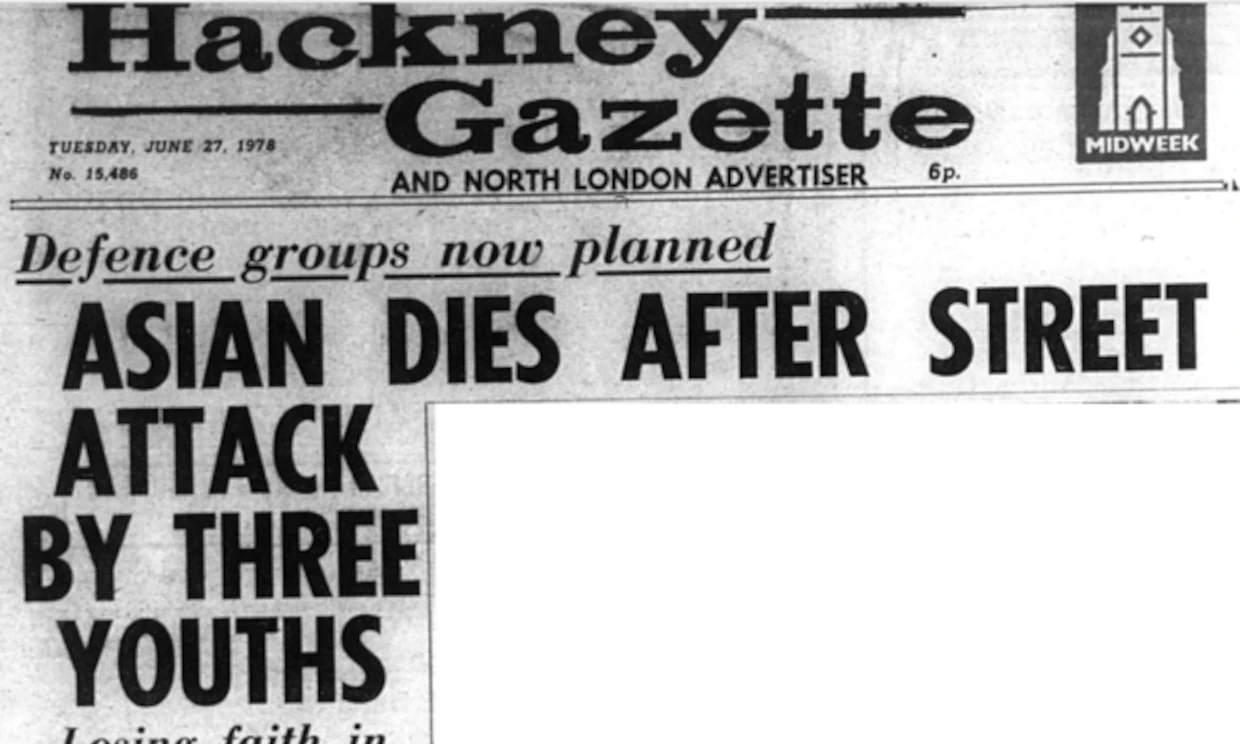
In the early hours of 25 June 1978, Ishaque Ali and his 20-year-old brother-in-law, Faruk Uddin, were attacked near Ali’s home in Urswick Road, Hackney.
Earlier that night, Ishaque Ali had been visiting a family-run takeaway on Lower Clapton Road owned by his uncle. As it was late, Faruk Uddin accompanied him home. According to reports, three white youths approached the pair, initially asking for a light before demanding money. When they refused, the attackers assaulted them.
Contemporary accounts state that the two men were severely beaten and that a shoelace was allegedly used in an attempt to strangle them. Ishaque Ali collapsed during the attack and later died after suffering a heart attack. He was pronounced dead shortly after being taken to hospital.
The attack shocked the local Bengali community and intensified fears about the growing threat of racist violence in East London.
A family man
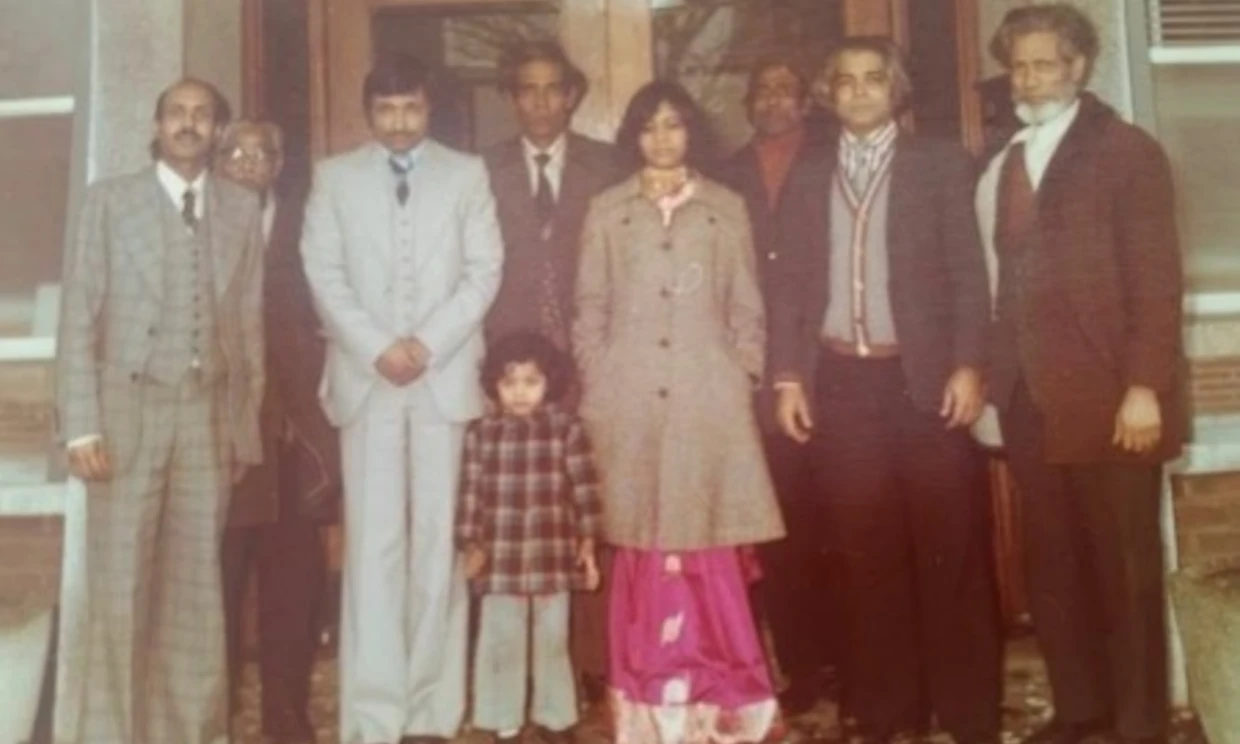
Born in 1933 in Fengram village, Beanibazar, Sylhet, Bangladesh, Ishaque Ali was the youngest of seven children. He first arrived in Britain in 1965 and initially worked as a machinist in Brick Lane before establishing his own leather factory.
An enterprising businessman, he also ran businesses in Bangladesh, including a clothing shop in Dhaka’s Gausia Market and a sari shop in Beanibazar. In 1975, after buying a home in Hackney, he brought his wife, Latifa Akthar, and their three sons to Britain. The couple later had two more sons.
Family members remember him as a progressive and an industrious man who worked tirelessly to support relatives and create opportunities for others. He sponsored the migration of several cousins and nephews to Britain and provided them with employment in his business. He was also a keen footballer and a respected figure within both the family and the wider community.
At the time of his death, he left behind his wife and five young sons, the youngest only nine months old. The loss had a profound impact on the family. In the mid-1980s, Latifa Akthar suffered a debilitating stroke that left her partially paralysed. Despite doctors initially giving her little chance of survival, she lived for many more years before passing away in 2021.
Reflecting on the family’s journey, his youngest son, Shuhel Ahmed, said, “All my brothers are married and have children, Alhamdulillah. We now live across different parts of the country. I think that has something to do with finding a level of peace.”
Police response and community concerns
The police investigation quickly became controversial. Detective Chief Superintendent George Atterwil, who led the inquiry, told The Times that the motive appeared to be robbery rather than racism. However, relatives and community activists strongly disagreed.
Ishaque Ali’s cousin, Sofar Ud Din, told the Hackney Gazette: “He was attacked because of his colour. There was no money taken. It happens all the time in the East End.”
Alok Biswas of the Socialist Workers Party, who knew the family, said Faruk Uddin reported that the attackers shouted racist abuse during the assault. According to Biswas, the attack only ended when a passing African-Caribbean motorist intervened.
The incident occurred against a backdrop of rising racial violence. Only a month earlier, Altab Ali had been murdered in Whitechapel. Newspapers were regularly reporting attacks on Bengali residents across East London, while National Front members continued to hold provocative weekly newspaper sales in Brick Lane.
Many in the community believed the authorities were failing to grasp the seriousness of the threat.
Community mobilisation
Ishaque Ali’s death prompted a significant community response. On 30 June 1978, around 300 people marched from the site of the attack to Hackney Police Station carrying black flags and wearing black armbands. The demonstration was organised by the Hackney and Tower Hamlets Defence Committee.
The following month, activists from Hackney and Tower Hamlets joined forces to strengthen anti-racist campaigning. Supported by the Council for Racial Equality and the Anti-Nazi League (ANL), they organised a series of demonstrations and community actions.
On 16 July, anti-racist campaigners staged a sit-down protest in Brick Lane to prevent National Front activists from selling newspapers. The following day, Bengali workers and supporters participated in a major strike and “Black Solidarity Day” against racial violence.
An estimated 8,000 to 10,000 workers joined rallies and demonstrations. Participants included trade unionists, students, the Grunwick strikers and workers from the Ford Dagenham plant. Many Asian-owned businesses in Hackney and Tower Hamlets closed in solidarity. The campaign culminated in a major anti-racist march through the East End on 20 August 1978, drawing around 5,000 participants.
The National Front (NF) and East London
By the late 1970s, the far-right racist party National Front had become a significant political force in parts of East London. The organisation deliberately sought to establish a visible presence in areas with large immigrant populations. In September 1978, the NF relocated its headquarters to Great Eastern Street in Shoreditch, a move widely seen as an attempt to provoke tensions in the East End. Every Sunday, members gathered in Brick Lane to sell newspapers, recruit supporters and distribute propaganda.
For local Bengalis, these activities contributed to a climate of fear. The NF’s rhetoric and street presence coincided with a period of frequent racist attacks and growing insecurity among Black and Asian communities.
However, sustained opposition from anti-racist campaigners, local residents and elected representatives gradually weakened the organisation’s influence. In 1980, Hackney Council successfully prevented the NF from continuing to use its Shoreditch headquarters, and by 1981, the organisation had moved elsewhere.
Another victim: Michael Ferreira
Racial tensions in Hackney remained high throughout 1978. In December that year, 19-year-old Michael Ferreira, a Guyanese-born mechanic, was fatally stabbed in Stoke Newington by a man reportedly associated with National Front activities. According to witnesses, Michael Ferreira and his friends were subjected to racist taunts before the attack. His death sparked further outrage, particularly because friends claimed police officers were slow to respond after he was brought to Stoke Newington Police Station with serious injuries.
The incident led to the formation of the Hackney Black People’s Defence Organisation, which campaigned against racism and police misconduct throughout the following decade.
Legacy of resistance
The year 1978 was one of the darkest periods in the history of East London’s Black and Asian communities. Alongside the murders of Altab Ali and Ishaque Ali, other victims of racist violence included 10-year-old Sikh schoolboy Kennith Singh in Newham and Michael Ferreira in Hackney.
Yet these tragedies also gave rise to one of the most significant grassroots anti-racist movements in modern British history. The protests, strikes and campaigns that followed helped transform public awareness of racial violence and strengthened solidarity between Black, Asian and progressive white communities. Today, while Altab Ali’s name remains widely known, especially in Tower Hamlets, the story of Ishaque Ali is less familiar. Remembering his life and death is essential to understanding the broader struggle against racism in Britain and the sacrifices made by those who helped build and defend East London’s diverse communities.
Great to see this focus on Ishaque Ali by Ansar Ahmed Ullah but also to read about the survival of his wife and children. In these days of increased hostility towards migrants and other communities it is important to remember the lessons of resistance.
Many thanks for this article especially in the current climate of fear, hate and hostility towards POC and migrant communities . For further reading on Ishaque’s murder I recommend John Eden’s article here https://hackneyhistory.wordpress.com/2022/06/25/the-racist-killing-of-ishaque-ali-in-clapton-25-june-1978/