
Campaigners fight to ‘save Brick Lane’ amid proposals for data centre on historic site
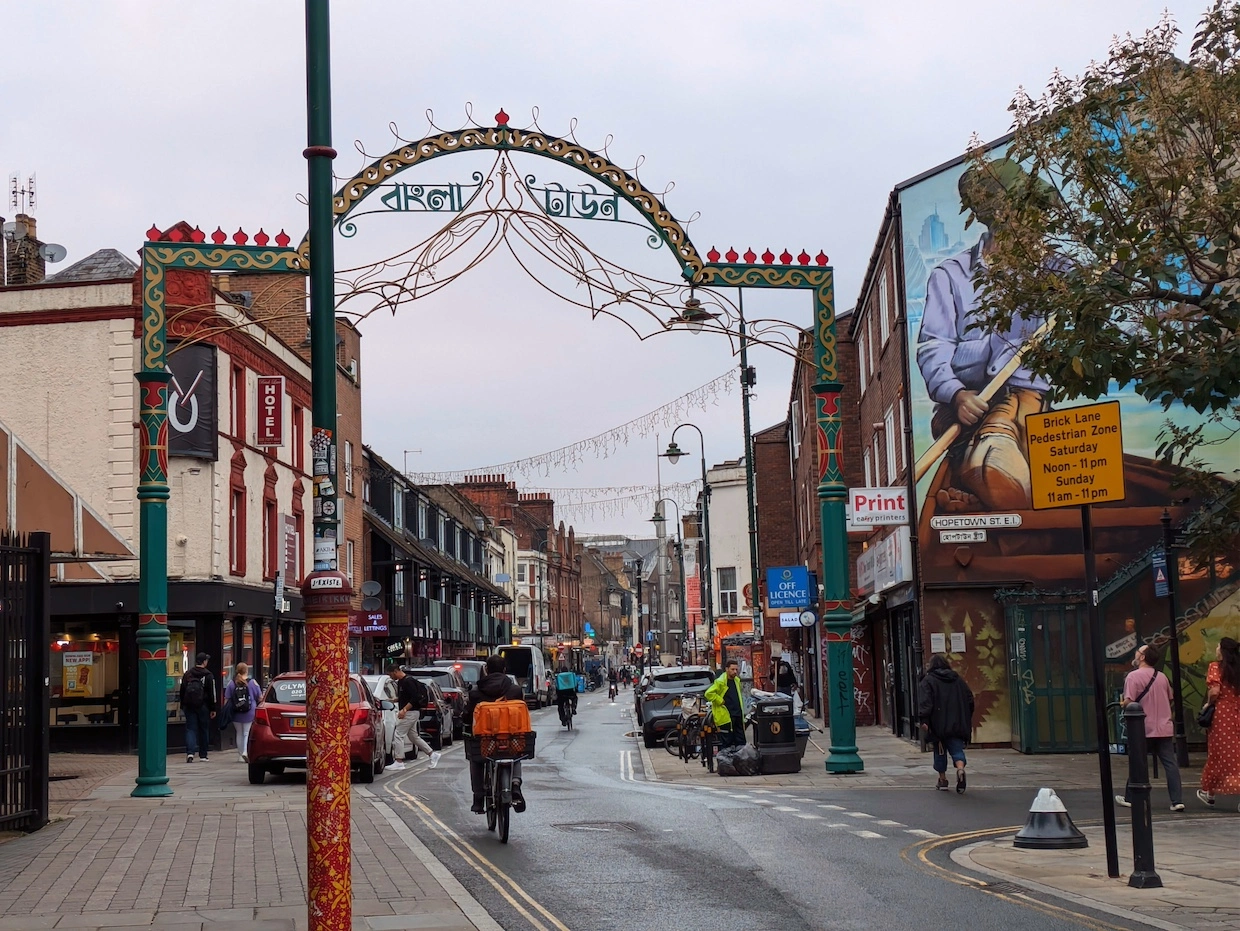
Brick Lane in Tower Hamlets. Photograph: Abu Ayyub, CC0, via Wikimedia Commons
A data centre could be built on the site of an iconic Brick Lane building in what campaigners describe as a threat to the area’s “deep historical significance”.
Once London’s largest brewery, the Truman Brewery is now home to shops, restaurants, bars and music venues, attracting more than 37,000 new visitors each week.
However, Truman Estates is now pressing ahead with proposals to redevelop the premises. In addition to the data centre, the plans also include a new retail space and 44 residential flats, including 11 social housing units.
The proposal is part of a three-part planning application submitted in August 2024, for which permission was refused by Tower Hamlets Council in July 2025.
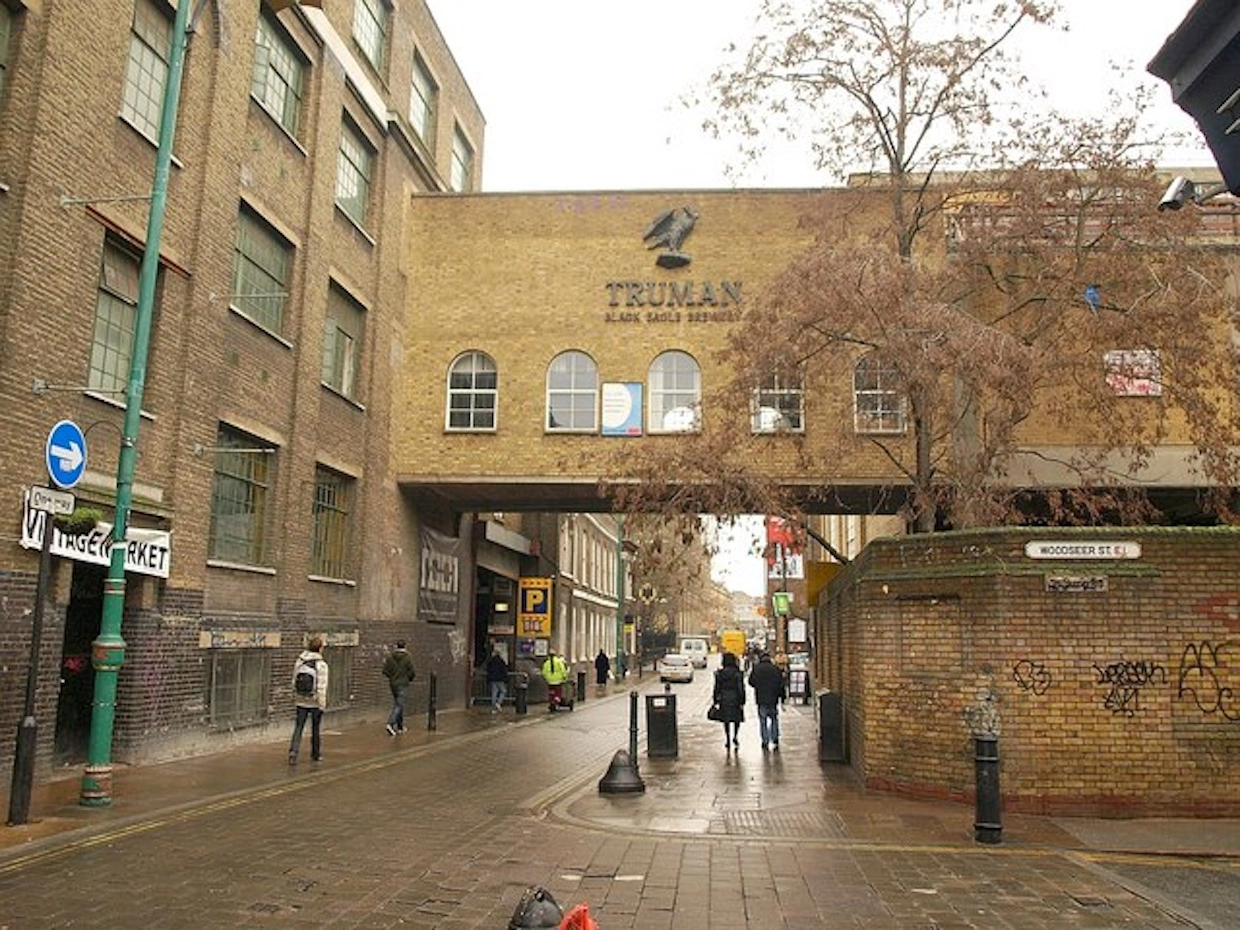
The Truman Brewery is one of Brick Lane’s cultural cornerstones. Photograph: Derek Harper, CC BY-SA 2.0, via Wikimedia Commons
But Truman Estates appealed the decision, triggering a public inquiry. During this, the developments were ‘called in’, meaning Secretary of State Steve Reed will now have the final say on the fate of the building.
Now, a campaign group is calling on Reed to “stop the proposed Brick Lane Data Centre and associated Truman Brewery developments”.
For years, the Save Brick Lane group has been working to preserve the culture of the historic road. Their efforts are currently focused on the old brewery, with a petition set up by the group having received more than 1,500 signatures at the time of writing.
“Your decision to ‘call in’ the development in October overrode both the government-appointed planning inspector and local planning authority”, the petition reads.
“This extraordinary intervention undermines local democracy, disregards established planning processes, and sets a troubling precedent for central government interference in community-led decision-making.
“Brick Lane is not an abstract development site. It is a living cultural, social, and economic ecosystem with deep historical significance and an internationally recognised identity”.
Campaigners claim the proposals threaten to cause “environmental harms” and could place “unsustainable pressure” on local infrastructure. They have also expressed concern for the area’s independent businesses and cultural heritage, adding that Brick Lane’s “historic character” should be protected.
On their website, Save Brick Lane states: “The data centre itself is a relatively small part of the overall scheme, on the west side of the Brewery site. We have argued that the proposed location on Grey Eagle Street should be used for building homes. We are also campaigning for housing across the other parts of the development.
“The developers’ scheme provides no housing at all within the Brewery grounds, and only a small number of mostly unaffordable housing units off the main site to replace the Bangla Cash and Carry. The Trumans Estate offer is 44 homes, of which only six would be for social rent”.
A spokesperson for the group told the Citizen the data centre would provide “no benefit at all to the local community” and described it as “a big metal box with few employees”.
The data centre is one of dozens proposed for construction across the capital. The government described data centres as “nationally significant infrastructure projects” and pledged to make it easier for planning permission to be granted.
But critics say that with thousands waiting for housing in the capital, plans to build new data centres could stand in the way of the drive to build new homes. Save Brick Lane agrees, having put forward a counter-proposal which they say would create more than 300 homes, including 44 social housing units.
Sceptics have also expressed concerns about whether London has the grid capacity to accommodate new data centres. The London Assembly says one data centre may use an amount of electricity equivalent to tens of thousands of homes, with three projects in west London put on pause in 2022 due to the electrical demands of nearby data centres.
It is estimated the Brick Lane servers would need four megawatts of power, with larger data centres in the capital requiring anywhere from 10 to 25 times that amount.
The Citizen has contacted Steve Reed and Truman Estates for comment.
Meta is a Big Tech leader in building harmful data centers. Across the country, AI data centers are bringing air, water, and noise pollution, skyrocketing energy bills, and outsized environmental burdens to neighborhoods just like yours.
But communities are fighting back — and you can too.
Please join us for an upcoming webinar where you will hear from community members who are challenging data centers in their neighborhoods. Meta’s data centers in El Paso, TX and Richland, LA, and Ohio are facing huge community push back.
Three activists, Angelle Bradford from Richland, Vero Carbajal from El Paso, and Lea Harper from Ohio will join Green America’s Michi Trota and Dan Howells to show how Meta’s disregard for communities is hurting people across the U.S.
RSVP NOW: August 27, 2026 at 05:00 PM ET/ 02:00 PM PT ️
Here’s what we’ll cover:
Dr. Angelle Bradford will talk about mounting opposition in Louisiana to Meta’s data center powered by 10 natural gas plants.
Vero Carbajal will talk about organizing residents in Texas to oppose Meta’s data center powered by a 366 megawatt natural gas plant .
Lea Harper will talk about opposing multiple Meta data centers in Ohio
How Green America and activists nationwide are holding Big Tech — starting with Meta — accountable
What we can all do together to make a difference
Whether a data center has already been proposed in your community or you’re getting ahead of what’s coming, now is the time to get informed and get organized. This is a conversation about collective action — and every voice matters.
Everyone who registers will receive a link to the recording.
Accessibility: If you require an ASL interpreter, please email DHowells@greenamerica.org.