
Challenging under-representation: Campaign launches to tackle Afro-hair discrimination
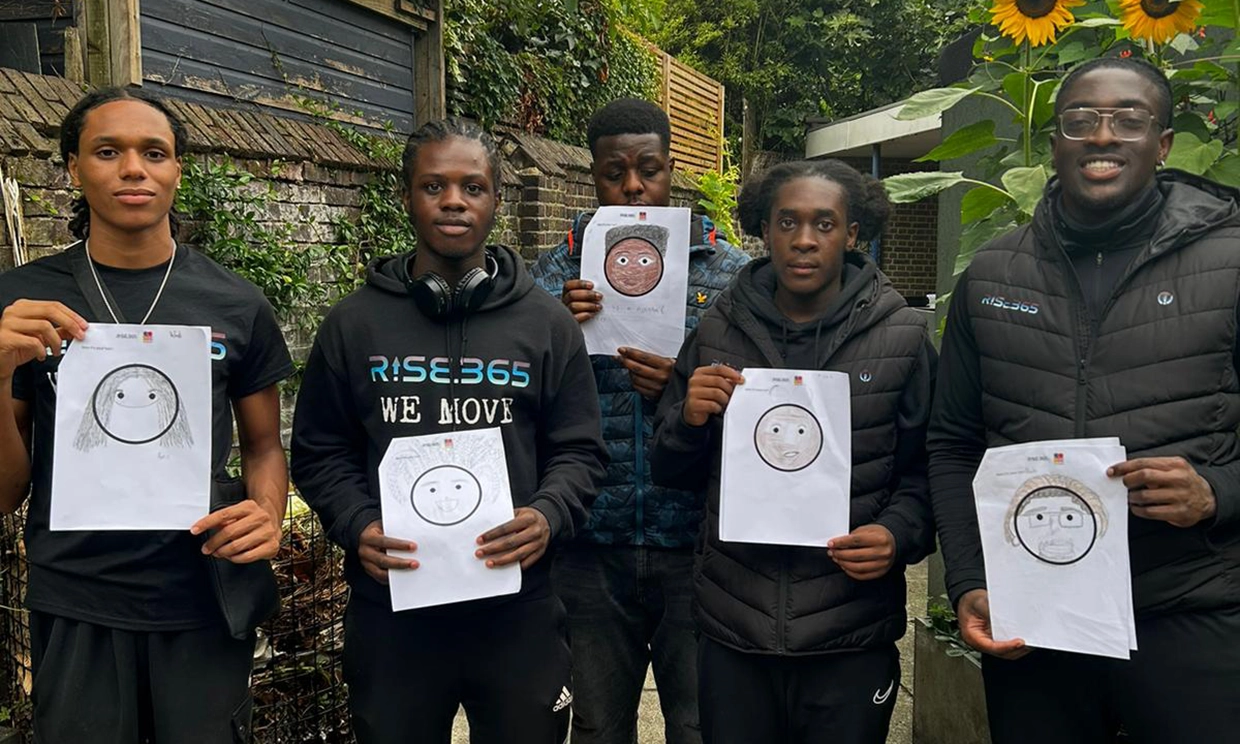
The emoji designs as initial drawings. Photograph: Hackney Council
In Hackney, young people are leading a new campaign to reshape how afro-hair is represented in the digital world.
During a regular session at the youth-led community organisation RISE365 last year, the group discussed how there was a lack of digital representation of Black hair like theirs.
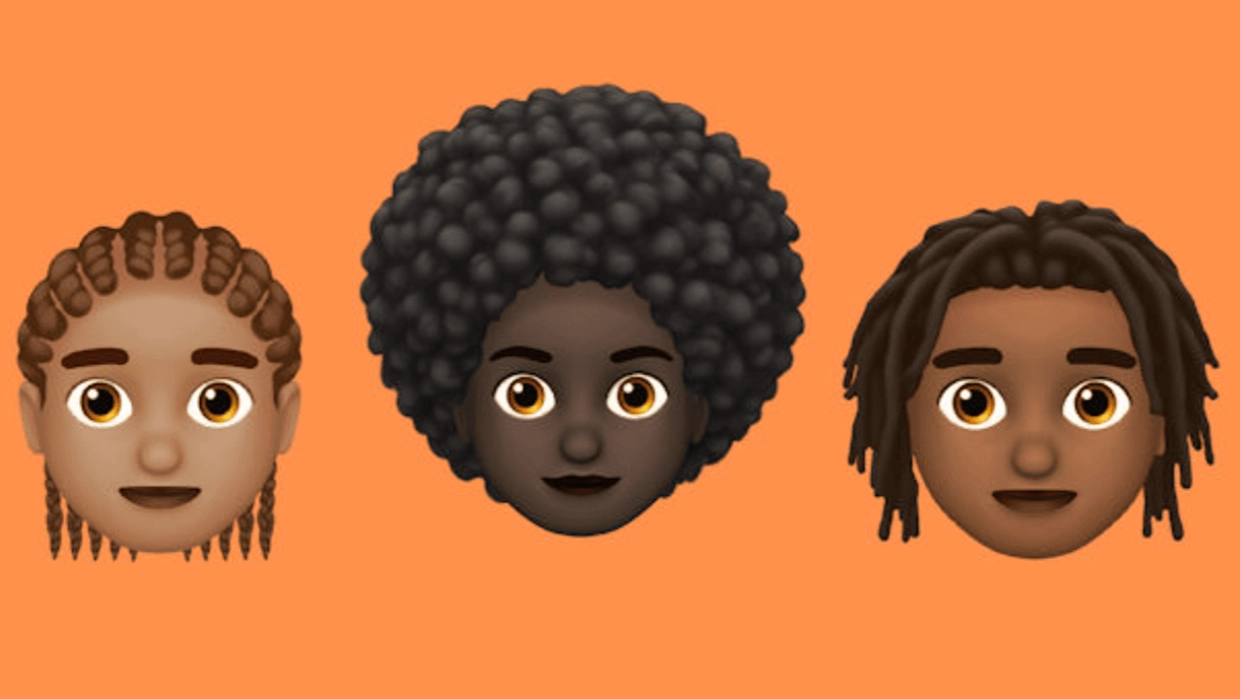
The emoji designs. Image: Hackney Council
Founder of RISE.365 Jocelyn Buffong said: “There’s thousands of emojis but there were none that would be able to represent what their hair would look like. You can get genies, snowmen, everything else but there’s nothing that represents afro-hair.”
Community members Jayzik, Dante, Reanna, and Rafael decided to design their own emojis in response. Buffong teamed up with a branding campaign to turn their drawings into digital form and before they knew it, the young people’s ‘Hairmoji’ campaign had become a global sensation.
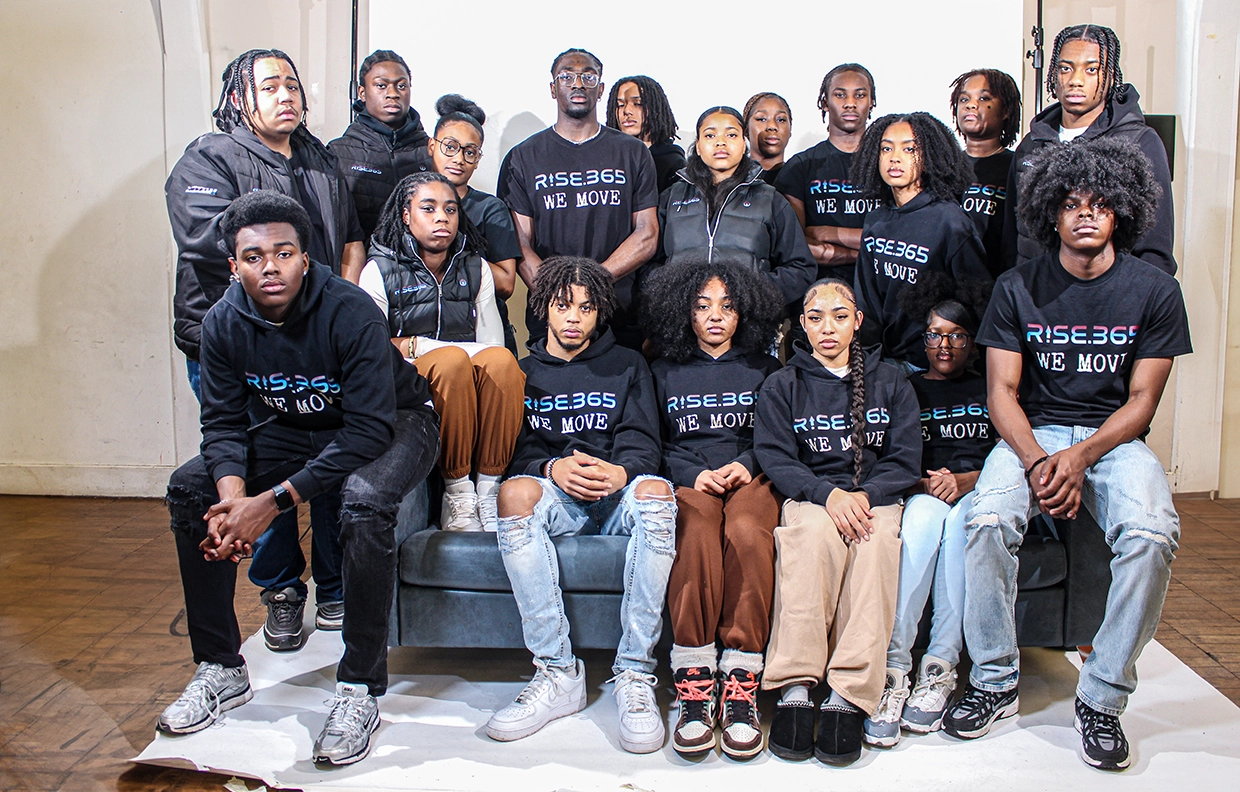
RISE.365. Photograph: Hackney Council
Former Spice Girl Mel B and skin care brand Dove joined the campaign to have the emojis added by the Unicode Consortium, a US-based organisation that decides which emojis are distributed across the world. They are currently waiting for Unicode’s response.
Buffong said of the youngster’s reaction to the publicity: “They feel really proud, surprised by how much traction it got because it really did go global but their excited about it and really hoping it gets signed off.”
Now their work is on show as part of Hackney Museum’s latest exhibit, Stories Woven in Strands. Rise.365 have brought together their story alongside a collection of testimony and striking artworks in the aim of highlighting the need for better representation of afro-hair.
The exhibit focuses on texturism, a form of hair discrimination in which higher value is placed on looser or straighter hair textures while devaluing tighter curls, coils and afro—textured hair.
Over the past twenty years, a re-emergence of the natural hair movement has led to people of African descent rejecting the standard of straightened hair to fit in, undoing centuries of stigmatisation.
The lack of emoji representation is the modern epitome of this.
Buffong said the irony is that there is an afro curl emoji but no afro emoji: “How can you have one without the other?”
RISE.365 was set up by Buffong in 2019 to empower young people from under-represented communities. The organisation’s work includes that of advocacy, counselling, mental wellbeing support groups and a Saturday shop selling discounted food.
Buffong said their mission was about “giving young people spaces that they can speak out on stuff and challenge under-representation.”
The campaign is the embodiment of the empowerment Buffong set out to create. The young people at the heart of it are now going into schools and facilitating workshops around afro-hair representation.
Buffong hopes this work and the exhibit will create an “understanding of the challenges that people face and how misrepresentation of Afro-hair can affect people in employment or education and the stigma that is attached to it”.
Discrimination in schools
It is a stigma seen in Hackney’s education system. In recent years, several scandals have hit the borough’s schools.
In 2016, 14-year-old Ruby Williams made national headlines when she was told by teachers at Urswick Secondary School that her hair was too big.
The school’s uniform policy specifically banned afro hair that was deemed of excessive volume, leading to Williams being repeatedly sent home and refused entry to the school.
Her family fought the school’s decision and, with the support of the Equality and Human Rights Commission (EHRC), filed a race discrimination claim against the school.
They received a £8,500 settlement and the EHRC helped the school develop a new hair-style policy that considered factors including race.
Ruby Williams is now 23 years old and is still a Hackney resident.
She is part of the Halo Collective and continues to campaign to end Afro hair discrimination.
She said: “It’s great to see that Hackney is still championing young people and the need of representation and celebration of Afro hair. I love that young people are leading the way!”
However, Williams’ case was not an isolated one.
In 2020, a 14-year-old boy was banned from attending Hackney’s Mossbourne Victoria Park Academy because the school said his fade haircut, a common hairstyle among black males, was against school policy.
A letter from the school told his mother, Monica Francis: “In future you must attend any hair cut appointments with Tyrese to ensure it adheres to the policy.”
Research by Pantene, Black Minds Matter and Project Embrace in 2021 found that 93 per cent of black people in the UK have experienced slights related to their Afro-hair.
The most common location for this discrimination for this were schools (59 per cent).
After growing pressure, the EHRC issued UK-wide guidance in 2022 to prevent further hair discrimination in schools.
Under the new guidelines, school uniform and appearance rules that ban certain hairstyles, without considering a person’s race, is likely against the law.
Calls for changes to the law
But campaigners are looking for the government to go one step further.
Labour MP Paulette Hamilton and singer Fleur East were among leading Black Britons who signed a letter last year calling to update the Equality Act 2010 to make afro hair a protected characteristic.
The letter said that the “omission of hair as a protected characteristic from the law has facilitated everyday discrimination and the normalisation of afro-hair as inferior in every sphere of life”.
RISE.365 believe their campaign is furthering this mission: “By educating people about texturism and demanding change, young people can reshape the conversation around hair, identity, and representation.”
Note: This article was amended
Stories Woven In Strands: Texturism and the campaign for hair representation
Hackney Museum
1 Reading Lane
Hackney
E8 1GQ
Until 29 November 2025