
Outsider Bodies: Experience Berlin’s DIY scene in your neighbour’s living room
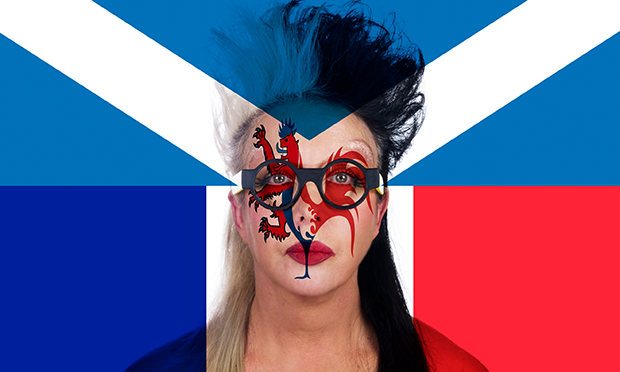
ORLAN, Show Tell Editions. Image: Archives Aquaviva
“We’re interested in the notion of the outsider,” says artist and avant-garde musician Frédéric Acquaviva. “The centre is always in the margins. That’s where interesting things happen, and new centres often emerge.”
This idea forms the foundation of Outsider Bodies: an experiential showcase featuring over 90 artists from Acquaviva’s own archive of transnational collaborators.
Fittingly staged at The Outsiders Gallery on Stoke Newington Road, the series transforms the body into a focal point, a medium every artist shares yet interprets distinctively through performance and practice.
The line-up ranges from live interventions by Alberto Sorbelli to the rediscovery of overlooked figures such as French pioneer Cozette De Charmony, who was already living and exhibiting in Stoke Newington during the 1950s.
Composer-performer Adam de la Cour, a part of the squib-box collective, will also make work for the event series.
“He’s quite extreme when it comes to using the body as material,” says performance artist Loré Lixenberg, Acquaviva’s partner in the project. “It’s not representative of his complete practice, but he explores the topic from a very English standpoint, utilising his work as an act of bearing witness.”
After years running a project space on Sonnenallee in Berlin, Acquaviva and Lixenberg decided to take their transversal programming to London.
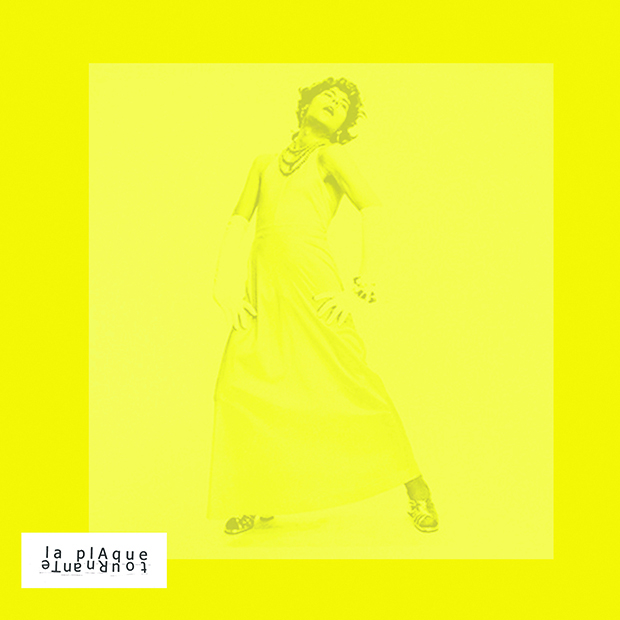
Michel Journiac, 1974. Image: Archives Acquaviva
Under their venture La Plaque Tournante, the duo are setting up shop both everywhere and nowhere, forming a portable “space without a space,” as Lixenberg puts it. Each in-situ exhibition they host is tailored to its venue: at one point, they even transformed their London living room into a full-on “sonic installation.”
While Berlin’s free-spirited, publicly funded art scene thrives on openness, London presents additional walls. “It’s more commercial here,” says Acquaviva.
“In Berlin, especially in Neukölln, there was this fantastic community; you just needed the vision to do something, and there was an infrastructure in place to make it happen.”
The pair liken Neukölln’s communal park culture to London Fields, but note that the key difference is the lack of support for programming in the UK.
For Acquaviva, what drives the project is centering unrestrained creativity, treating art as a living process rather than a static object. Referencing figures such as Miroslav Tichý and Pierre-Louis Moline, the works he meticulously curated frame the body as a site both visible and inhabited.
“Yesterday, I was at the Tate Britain viewing the J.M.W. Turner rooms, which are so incredible,” says Acquaviva, “because instead of solely painting the sea, Turner places viewers into its matter.”
“And I thought, what do you do after that? Of course, you do Marcel Duchamp — you go above painting representations. But you can also start with yourself, creating body art, a movement which emerged in the 60s,” he adds. “There’s an interesting tradition of French artists like Michel Journaic or Orlan using body modification as a medium, working around the human form, but in vastly different ways.”
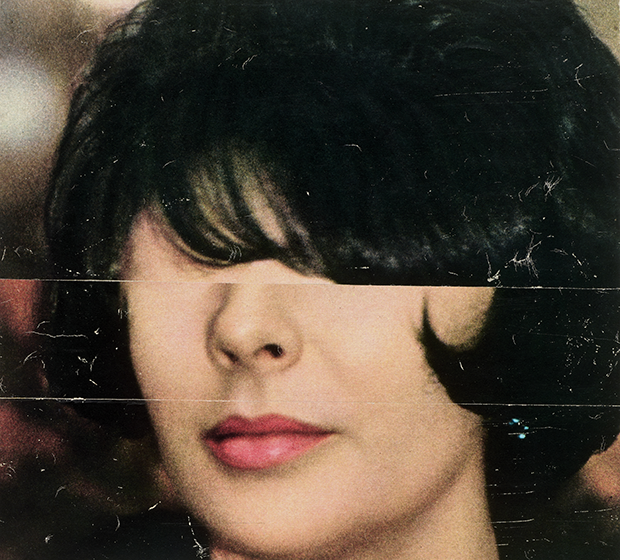
Roberto Altmann’s Liz Taylor, 1960. Image: Archives Acquaviva
Each event building on the concept lasts only a single day, ephemeral in its inseparability from its time and place. “It’s funny,” Acquaviva says, “because if you really want to see it, you have to come that day. You have to be there.”
At the same time, Lixenberg is preparing for a residency at Café OTO in Dalston this September, celebrating the legacy of vocal pioneer Cathy Berberian alongside contemporary works.
“She’s another person who should have been maybe bigged up by the institutions. Her husband, Luciano Berio, was, but she got slightly left out,” she adds. “So, I’m taking it upon myself, drawing attention to her up alongside my performances of some of Frédéric’s music, among other repertoire: a bit of me blended with composers of the 60s, and a few composers of today.”
The flexibility of the artist’s award-winning practice spans music, politics, and performance, working in parallel to Acquaviva, always allowing their roots to grow beyond the allotted soil. Not to mention Lixenberg’s own Voice Party, which she founded to protest the marginalisation of culture in UK politics. “After Brexit, the music industry was decimated,” she says. “Putting sound at the core is a way of fighting back.”
With Outsider Bodies running monthly through December, the duo are intent on bringing Berlin’s DIY spirit to Hackney, an ethos which they already sense a hunger for. “The project is about looking through another window,” says Lixenberg. “Experiencing how others use the body to navigate their surroundings. It gives you a whole different view.”
La Plaque Tournante’s series runs the first Saturday of each month until December at The Outsiders Gallery, Stoke Newington Road.