

Hackney's support for young people leaving its care has been substantially turned around, Ofsted has found, two years after inspectors singled it out as the weakest part of an otherwise good children's services department.
In a letter published on 23 July, following a focused visit on 23 and 24 June, His Majesty's Inspectors Monique Lindsay and Mark Scanlon reported that care leavers in the borough enjoy "warm and trusting" relationships with practitioners who know them well and stay in touch consistently. Pathway planning is thorough, inspectors found, and young people are helped to build practical independence while keeping the support of familiar adults.
They singled out Sonder Space, the borough's care leavers' hub, where young people told inspectors they feel safe, listened to and respected. The hub was still only about to open when Ofsted last inspected in 2024, and was shaped by two care-experienced ambassadors the council employs to lead participation work.
Support for former unaccompanied asylum-seeking young people was described as effective, with specialist personal advisers and dedicated forums; care leavers who are parents, and those in custody, were also found to be well supported. Inspectors again endorsed Hackney's systemic, trauma-informed and anti-racist practice model, known as STAR, which they said staff experience as integral to their work rather than an extra demand. Most practitioners described their workloads as manageable.
A Labour-era turnaround
The findings are a vindication of an improvement effort run almost entirely by the Labour administration that lost control of the town hall at May's election.
When Ofsted inspected in full over two weeks in July 2024, it rated Hackney's children's services good overall, but judged the experiences and progress of care leavers to require improvement to be “good” — the only one of four judgements to fall below this metric. Two of the three improvement areas it set out concerned care leavers directly: the timely allocation of accommodation, and the consistency of responses to young people.
Neither appears in this year's letter. Inspectors now describe contact as regular and purposeful, and say most care leavers live in suitable, safe accommodation.
That work was overseen by Cllr Anntoinette Bramble, who as deputy mayor held the children's services and young people portfolio until the election and sat on the council's corporate parenting board, under the then mayor Caroline Woodley.

Both were in post throughout the two years between inspections. The Greens took control of the council in May, with Zoë Garbett elected mayor, and had been in office roughly six weeks when inspectors arrived. Cllr Soraya Adejare is now cabinet member for children, young people and early intervention.
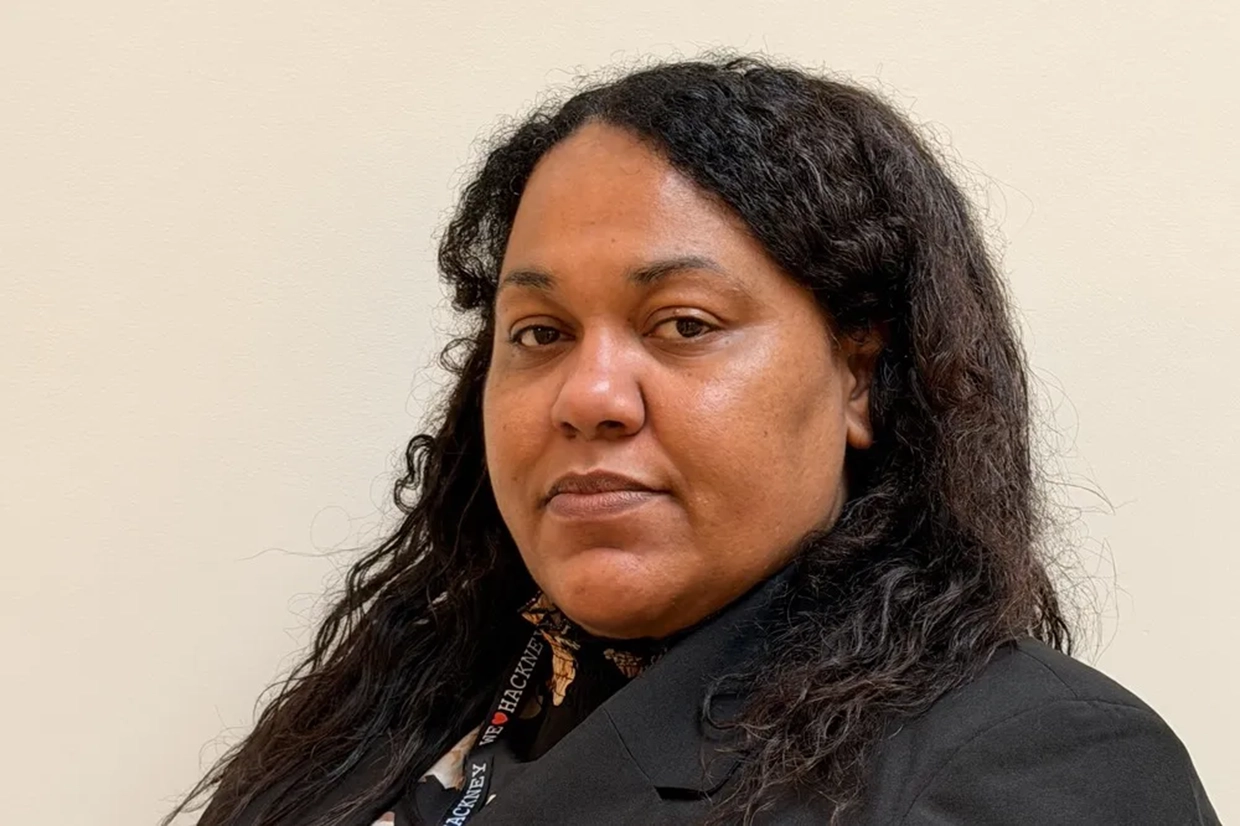
Officers have had greater continuity: Jacquie Burke, to whom the letter is addressed, remains group director for children and education, and inspectors credited leaders with keeping care leavers a strategic priority despite financial pressures and rising demand.
Focused visits do not carry graded judgements, so the letter does not formally upgrade the 2024 rating. The findings will instead be carried into a further, shorter inspection to come.
What still needs to improve
Inspectors set out two areas for improvement, and in each case raised a version of the same concern in 2024.
The first is the consistency of supervision, which is not always held within the timescales the council sets itself, although inspectors recorded no adverse impact on young people.
In 2024 Ofsted had said further work was needed so supervision consistently gave workers clear direction and moved plans forward, specifically citing the care leavers' service.
The second is the provision of health summaries. Inspectors found young people do not consistently receive a summary of their own health history as they move towards independence — potentially leaving them without a record of childhood immunisations, past diagnoses or family medical history that most young adults obtain from their parents.
Here the position appears to have slipped rather than improved: in 2024 Ofsted described Hackney's health summaries as helpful and said they gave care leavers an overview of their childhood health needs, criticising only the fact that records did not show whether a summary had been handed over.
Inspectors also found a small number of care leavers aged 18 to 21 who had not been allocated a named practitioner, which the letter notes is a statutory requirement. Managers contacted the young people to assess their needs once the cases were raised during the visit. Some records of visits to care leavers were not completed promptly.
On housing, the letter is markedly warmer than 2024 without declaring the problem solved, referring to young people spending periods in less suitable accommodation.
Two years ago inspectors found many care leavers aged over 21, including young parents, living in temporary accommodation for several years, some moved out of borough and losing council tax exemption and free travel, and some feeling unsafe.
The council then had three measures planned but not in place: an exemption for care leavers found intentionally homeless, more social care tenancies, and priority banding on the housing register from the age of 18. The new letter does not say whether any was introduced.
Those outstanding items now belong to the Greens, who inherit a service Ofsted rates highly along with the task of closing the gaps — and a further inspection in prospect.
Find out more on these topics


