

Hackney Council is to open two new children's homes in a bid to keep looked-after children close to their schools, families and friends, and to loosen the grip of private providers the council accuses of profiting from vulnerable young people.
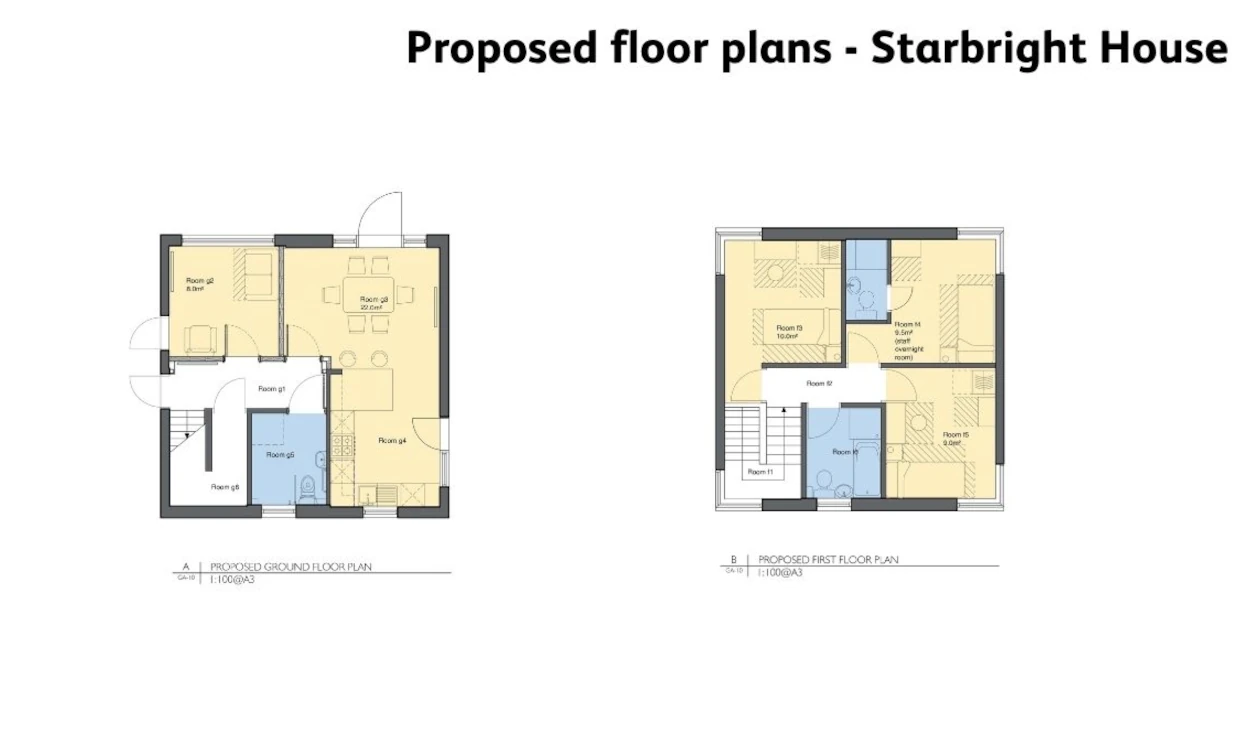
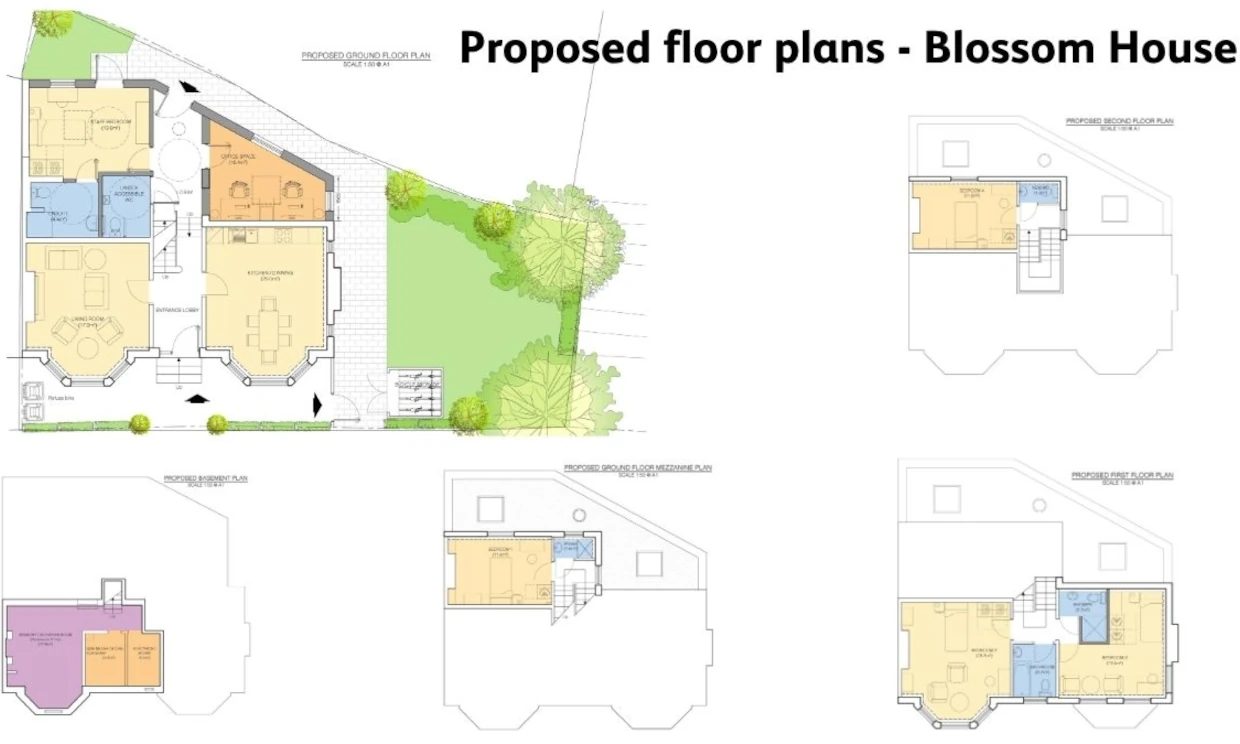
The two homes, named Starbright House and Blossom House by children themselves, will house up to six young people aged 10 to 17 who need residential care.
The council has partnered with the national charity Action for Children, which will run both homes on its behalf and apply to register them with Ofsted once refurbishment is complete. Work is due to begin within weeks, with the first children expected to move in by April 2027.
Children sent miles from home
The driver is a stark local shortage. Hackney has just three registered children's homes, offering places to only a handful of children with very specific needs.
As a result, most local children who need residential care are sent out of the borough — at the end of March, seven per cent of Hackney's looked-after children were living more than twenty miles from home.
Thirty-four Hackney children are currently in children's homes.
The new homes are designed to blend into the community, indistinguishable from any other house on the street, with adult carers living on site.
Starbright House is a small detached two-bedroom property, while Blossom House will gain a rear extension to create more ground-floor living space.
A market 'not delivering value for money'
Hackney's move comes against a national residential care system under acute strain. Around 82,000 children were in local authority care in England as of March 2025, part of more than 400,000 children in need.
Spending on residential care has almost doubled in five years, reaching £3.1bn in 2023/24, driven by rising demand, a shortage of suitable placements and a profit-driven market.
The deeper problem, the National Audit Office has found, is a dysfunctional and under-supplied system that is "not delivering value for money," with children too often placed in settings that fail to meet their needs while councils compete for scarce places, pushing up costs.
Profit sits at the heart of the concern: the Competition and Markets Authority calculated that between 2016 and 2020 the fifteen largest private providers made average profits of 22.6 per cent on children's homes, with fees rising well above inflation. Private companies now run around 84 per cent of children's homes in England, several of the largest backed by private equity.
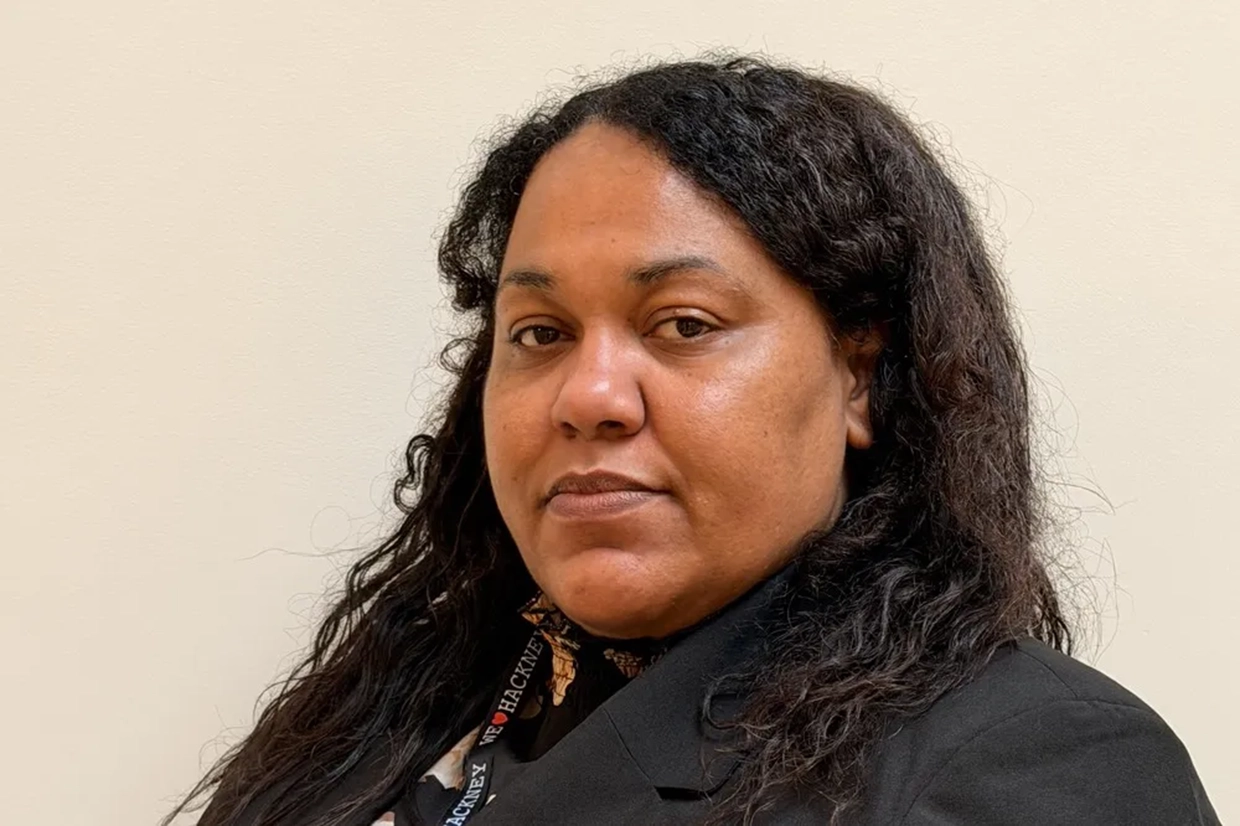
That is precisely the dynamic Hackney's cabinet member for children invoked. "For too long, some private providers have been taking advantage of highly vulnerable children, turning their care into profit," said Cllr Soraya Adejare.
"Creating these homes is the beginning of a process that will put first the wellbeing of our children in care, rather than commercial interests.
"Every child deserves to grow up in a loving and stable home. Instead of waiting for national solutions that keep getting kicked down the road, we are doing this by investing directly in the future of our children and our community.
"Partnering with the national charity Action for Children, we are creating safe, nurturing and truly life-changing local homes, allowing our young people to stay close to their schools, families and friends."
Reform grinding forward nationally
Ministers are pursuing reform on several fronts. Regional Care Cooperatives — bodies run by groups of neighbouring councils to plan and provide placements, currently being piloted in Greater Manchester and the South East — are intended eventually to handle placements across England.
The Children's Wellbeing and Schools Act 2026 lets the government direct councils into such co-operation and cap the profits of children's home and fostering providers, while giving Ofsted new powers to fine those who breach care standards, including unregistered homes.
The 2025 Spending Review set aside £560m between 2026/27 and 2029/30 to expand children's homes and foster placements.
For councils trying to build their own provision, as Hackney is, the obstacles are practical as much as financial: suitable properties are hard to find, planning permission can be difficult to secure in the face of local opposition, and significant investment is needed to bring buildings up to legal standard.
'Belonging and community'
Action for Children, which runs more than 400 services across all four UK nations and provides residential care for councils from the Western Isles to Wales, said the Hackney homes marked a milestone in its expansion across London.
"We are so pleased to partner with Hackney Council on delivering and operating these children's homes which will offer loving care to children in the borough," said Kate Isham, the charity's national director for England South.
"These homes are such an important step to offer more children the chance to live in their local area. It builds on the relationships, belonging and community which are so vital to growing up.
"It is part of the expansion of our services across the London area and allows us to draw on our expertise delivering safe and loving children's homes across the UK."
The partnership formally began in June following a selection process that included gathering the views of young people with direct experience of the care system. The addresses of both homes are being withheld to protect the children who will live in them.


