
Hackney Council ignored tenant’s concerns over safety of her autistic child in social housing
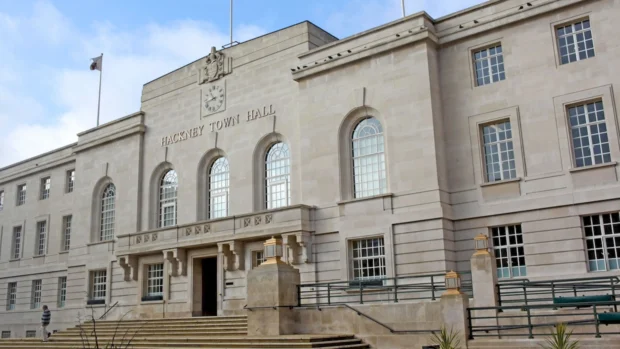
The local elections are taking place in May. Photograph: London Borough of Hackney
Hackney Council ignored a woman’s concerns over the safety of her autistic child who was in danger of falling from windows, a watchdog has found.
The local authority paid the family £500 following a Local Government Ombudsman (LGO) investigation triggered by the mother’s complaint in 2024. The watchdog ruled the council had caused injustice to the woman, known as Miss X, who had been urging the council to rehouse her family to protect her daughter, named as Y in the report.
The council eventually moved the family to a ground-floor property. Since 2022, the mother had flagged her fears to the council that living several floors above ground level posed a fatal risk to her daughter, who is prone to meltdowns and “hyper behaviour” and was in danger of falling from the windows or communal balcony. Children and adults with autism spectrum conditions (ASC) can sometimes behave impulsively – such as by constantly running or jumping – and with diminished awareness of danger, particularly when over-stimulated or distressed.
In this case, her daughter frequently climbed up on windows to try to open them. The size of the one-bedroom flat meant there was little space for her to recover from her meltdowns.
Though the council bumped the family up to the second-highest priority category on the register (Band B), the slow pace of progress worsened Miss X’s fears, particularly as her daughter’s strength grew with age. After two years, she formally complained, citing the council’s delays in rehousing her as well as delays in visiting her home and replying to her queries.
The local authority said it escalated her rehousing bid but did not change her priority band. It explained that waiting times were long due to the “unprecedented” demand for social housing. The council pointed to measures it took to protect the girl, such as fitting window restrictors to reduce the risks, even though Y had removed these in the past.
In February 2025, Miss X received a home safety assessment from an occupational therapist (OT), flagging the risk of her daughter jumping from the balcony and of causing harm to herself and others. But before she could provide the council with this, the local authority told her the balcony would need to be reviewed by an OT to see how Y’s needs could be met, and referred her to local specialist services for children with disabilities and additional needs.
The mother also provided a letter from the girl’s school, and asked that her application be treated as an exceptional case to expedite a move. The council said it was not able to investigate Miss X’s complaint any further, after which she complained to the Ombudsman.
During this time, the council also offered to pay Miss X after it made an error with her housing application, but she refused because she felt the council was still not supporting her or taking her concerns seriously enough.
The Ombudsman found “no evidence” of how the council considered the OT home safety assessment or the letter for the girl’s school, and criticised the local authority for not keeping records around her mother’s complaints. This was bad practice, the watchdog said, and left Miss X in the dark over whether her concerns were being properly considered.
Hackney Council agreed to apologise to Miss X and pay her £500 to recognise the “distress, uncertainty and frustration” it had caused, and to guide staff to ensure they responded to queries promptly and understand “good administrative practice”.
The LDRS previously reported that Hackney Council explicitly told NHS staff not to write letters of support for special needs children whose families feared their lives were at risk due to unsuitable housing.