
Zoë Garbett urges Met to ‘immediately stop’ use of ‘invasive’ facial recognition tools
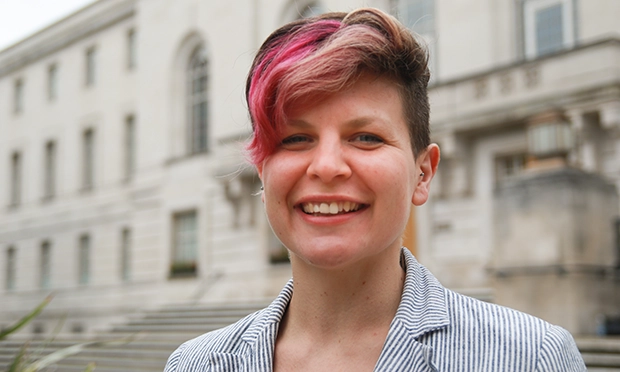
Garbett has claimed the technology disproportionately targets Black and brown communities. Photograph: Supplied
Green party London Assembly Member Zoë Garbett has published a report raising concerns over the Metropolitan Police’s use of live facial recognition technology, warning it disproportionately targets Black and brown communities.
The report, published on 10 February, also claims the technology is being deployed without clear legal authority or sufficient transparency.
Live facial recognition (LFR) uses cameras to scan people’s faces in real time and compare them to a police watchlist, often in busy public places such as high streets, shopping centres or transport hubs.
Garbett previously conducted research into the use of LFR and found that more than half of all deployments in 2024 took place in areas with higher-than-average Black populations. These included Thornton Heath in Croydon (40 per cent), Northumberland Park in Haringey (36 per cent), and Deptford High Street in Lewisham (34 per cent).
Garbett, who is also a councillor for Dalston ward, said: “These invasive tools allow the police to monitor the daily lives of Londoners, entirely unregulated and without any safeguards.
“The Met repeatedly claim that live facial recognition is a success, yet they continue to withhold the data required to scrutinise those claims.
“We’ve already seen the real harm this technology causes with children wrongly placed on watchlists and Black Londoners disproportionately targeted and misidentified”.
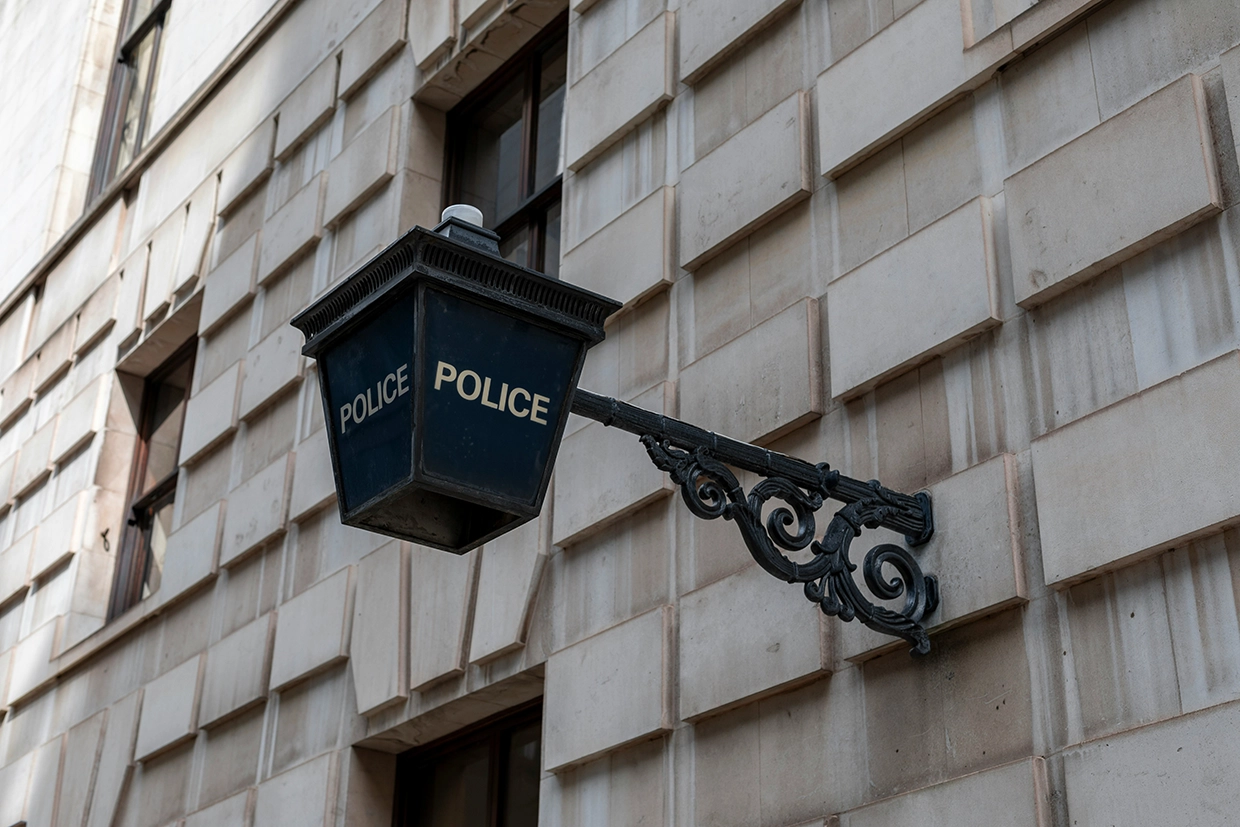
Garbett urged the force to ‘immediately stop’ its use of the technology. Photograph: Francois Olwage
Garbett outlined four key recommendations in her report, the first calling for the Metropolitan Police Service to ‘immediately stop’ its use of LFR technology.
She also urged the Mayor of London and the Deputy Mayor for Policing and Crime to press the government to introduce primary legislation with strict safeguards, limiting the use of live facial recognition to the most serious offences and banning its use by private companies or other public bodies.
The report also calls on the Met to disclose the financial and operational costs of all LFR deployments.
Finally, Garbett urged the force to ensure any future use of the tech is free from bias, with assessments of watchlists, locations and policing tactics made publicly available for Londoners to scrutinise.
She added: “The rapid deployment must stop and robust protections must be put in place to safeguard our rights.
“I urge everyone to respond to the Government consultation and use the guide I’ve prepared to make sure we have a say in how this technology is used going forward”.
Both the High Court and the Court of Appeal have recognised the existing legal basis for the Met to use LFR technology – namely under common law.
Independent tests by the National Physical Laboratory (NPL) also found there was no statistically significant bias across different demographic groups at the threshold at which the Met operates LFR.
The Met told the Citizen that it publicises details around the date, time and location of any LFR deployments in advance and provides clear signage to let the public know LFR is in operation.
A Met Police spokesperson said: “Live Facial Recognition has taken more than 1,700 dangerous offenders off the streets since the start of 2024, including those wanted for serious offences, such as violence against women and girls. This success has meant 85 per cent Londoners support our use of the technology to keep them safe.
“It has been deployed across all 32 boroughs in London, with each use carefully planned to ensure we are deploying to areas where there is the greatest threat to public safety.
“A hearing into our use of Live Facial Recognition has taken place and we look forward to receiving the High Court’s decision in due course. We remain confident our use of LFR is lawful and follows the policy which is published online”.