
‘So many layers of lies’ – police spied on Hackney organisation working to expose Met corruption, inquiry hears
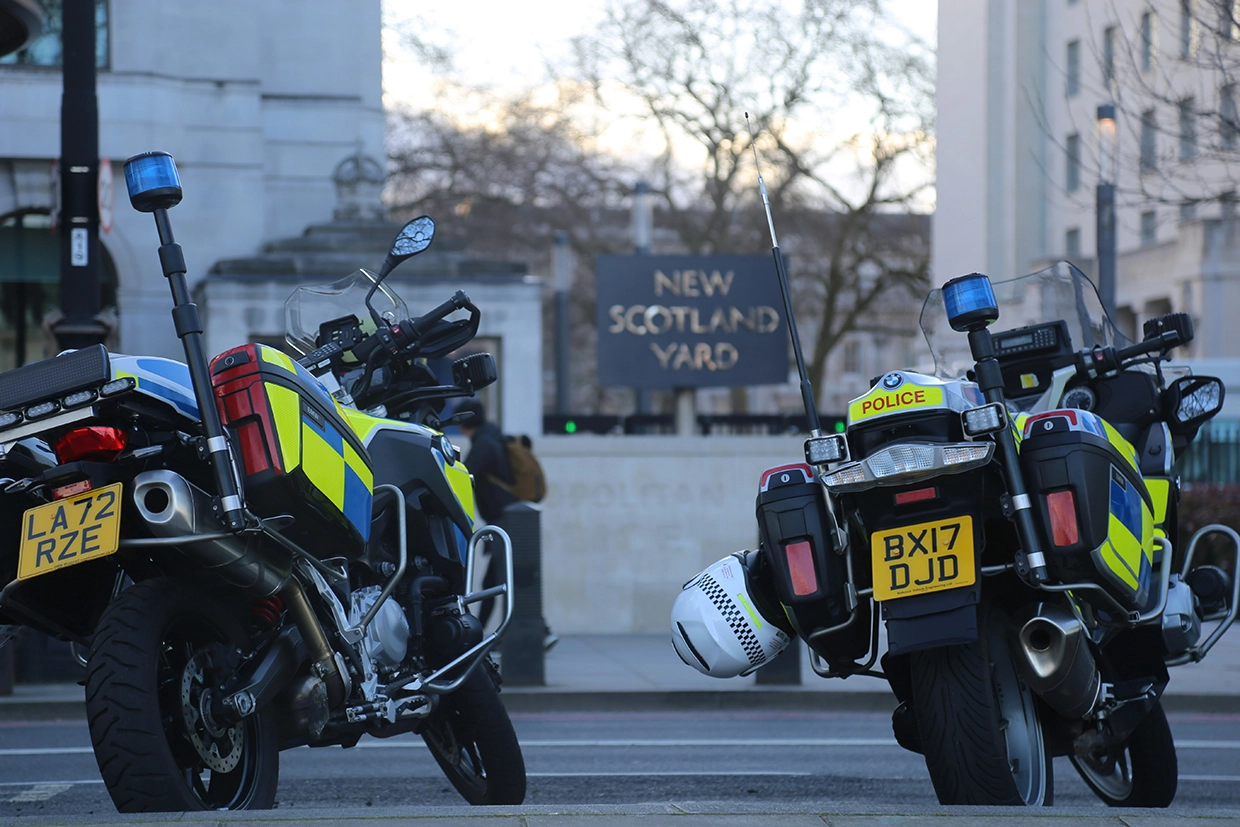
The Undercover Policing Inquiry is examining how undercover officers spied on thousands of individuals and organisations between 1968 and at least 2010. Photograph: Kelsey Farish / Unsplash
Undercover Met Police officers secretly monitored and infiltrated a grassroots organisation working to expose corruption in the force, an inquiry has heard.
The Undercover Policing Inquiry is examining how officers spied on thousands of individuals and organisations between 1968 and at least 2010.
One such organisation is the Hackney Community Defence Association (HCDA), an activist organisation which was the subject of police monitoring for a decade. One officer who infiltrated the group had a relationship with a HCDA member for five years while he was married with children.
The HCDA was set up in 1988 in response to police brutality and racism, enabling victims of police violence to obtain justice through the legal system. They took up the cases of people who have suffered injustice at the hands of the Met, monitored police activity, and offered paralegal support to campaigns who are “likely to find themselves [in] confrontation with the policе”.
The inquiry heard officers compiled 44 surveillance reports, dated between August 1988 (a month after the HCDA was established) and 1998, detailing group members’ activities and personal information.
One was the HCDA’s founder, Graham Smith. The inquiry heard reports on him contained information about his marriage and his father’s terminal cancer.
Smith said many of the reports about the HCDA were inaccurate. He told the inquiry one said the group had gained access to a scanner to listen into police communications and was “particularly interested in monitoring the activities of a Hackney police unit headed by a sergeant which it believes is specifically targeting anarchists in the area”.
Giving evidence on Thursday, 11 December, Smith said: “I don’t know anybody in HCDA who was in possession of a radio scanner.” He also said police had attempted to portray the group as being run by anarchists, something he said was untrue.
Undercover officer Mark Jenner – agent HN15 – infiltrated the group in 1995. He went by the false name Mark Cassidy and had a five-year relationship with activist ‘Alison’ (not her real name) during his deployment. He will give evidence for four days at the inquiry, which began on Monday, 15 December.
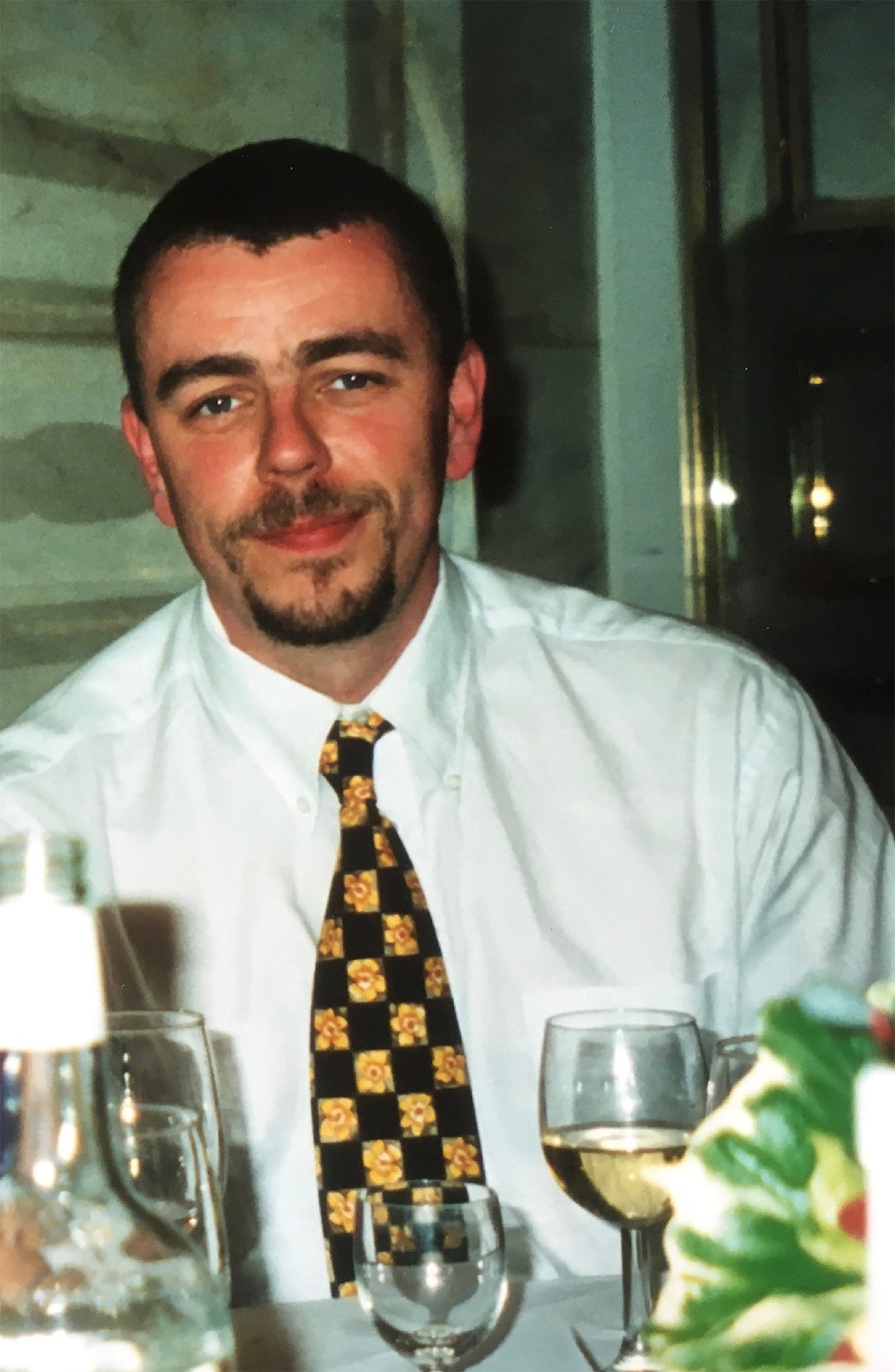
Mark ‘Cassidy’ Jenner at a family event he attended with ‘Alison’. Photograph: Undercover Policing Inquiry
Alison met Jenner at the Colin Roach centre, named after a young Black man who died at Stoke Newington Police Station in 1983. She said the group was “peaceful” and described Jenner – who told her he was a joiner from Birkenhead – as “a nice bloke” who became a “key figure” in the organisation.
Jenner had a wife and family, but began dating Alison and moved into her flat in February 1996. The pair went on holidays together and attended family gatherings as a couple.
Their relationship came to an end in 2000, when he left her a letter – shown to the inquiry – claiming his “past had caught up with him” and that he had depression.
In it, he wrote: “When I said I loved you I meant it. I’ve never deceived or cheated on you.”
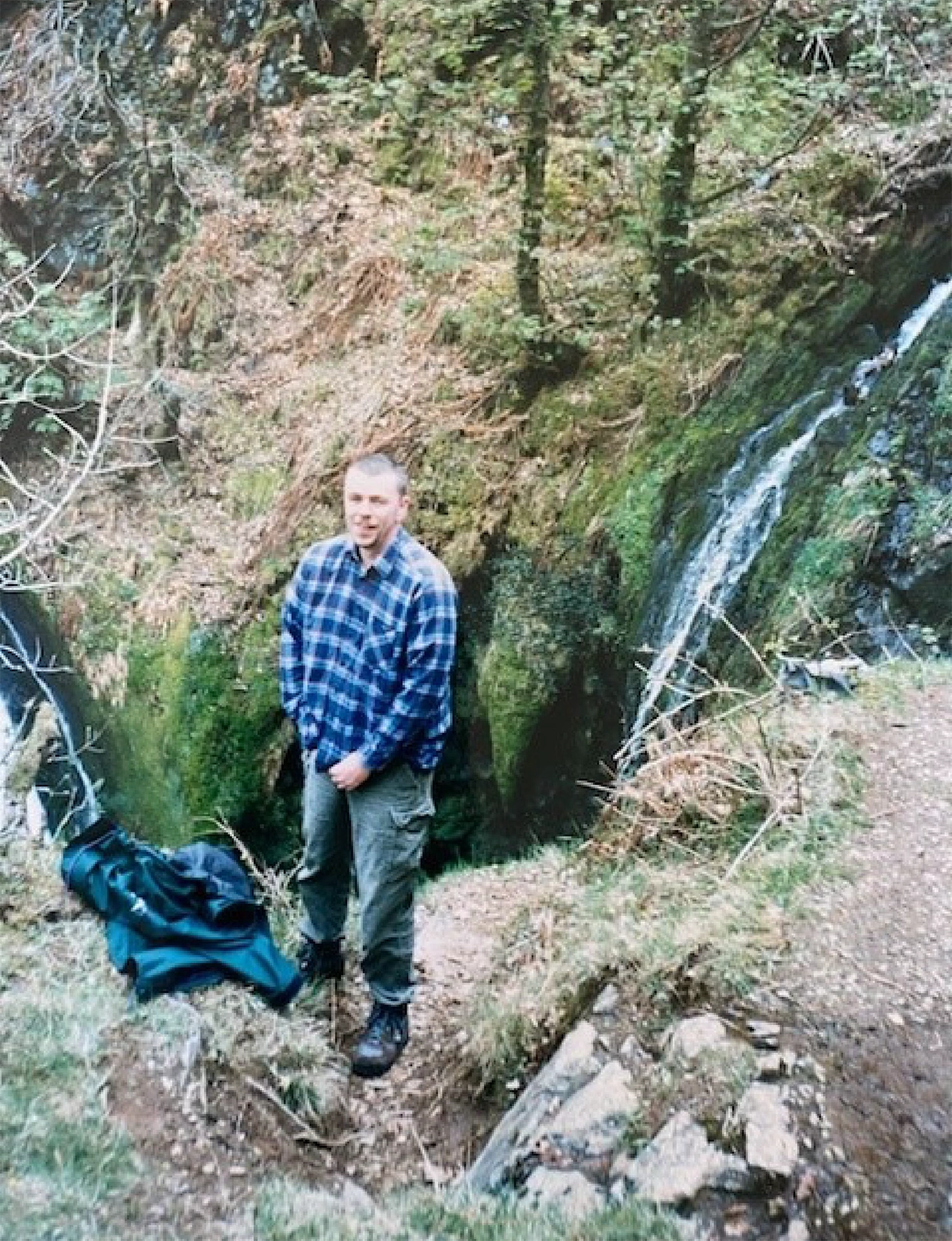
Jenner on holiday with ‘Alison’. Photograph: Undercover Policing Inquiry
Three years prior, Alison had found a bank card with the name “M Jenner” on it. When she confronted him, he claimed he had been “stupid” and “bought it off a man in the pub”. Alison believed him and cut up the card.
Details of their relationship did not appear to feature in Jenner’s records of his undercover life and work to his bosses at Scotland Yard, the inquiry heard, and his now ex-wife had no idea about his other relationship at the time.
Giving evidence, Alison said: “There are so many layers of lies.”
In the 1990s, the HCDA was part of an effort to expose an alleged case of police corruption in which officers at Stoke Newington station were accused of a number of crimes, including planting drugs on people, selling drugs and theft.
The Met has said it was wrong for senior officers to direct undercover officers to spy on the HCDA. The force said it, and other groups, “were engaged in legitimate activities, including seeking to hold the [Met] accountable for its own conduct and decision-making.”
In a statement to the Citizen, Deputy Assistant Commissioner Jon Savell said: “The actions of some undercover officers within the Specialist Demonstration Squad (SDS) and their managers were totally unacceptable and the Met Police continue to support the ongoing inquiry.
“The inquiry has heard evidence around the deployment of undercover officers into activist groups that allied themselves with family justice and police accountability campaigns.
“These deployments were not justified and the information on those campaigns should never have been collected or retained. I would like to reiterate the commissioner’s apology in his opening statement for the improper reporting that happened during this period, and the hurt caused to those affected.
“Undercover policing has undergone significant reform since the cases evidenced in this inquiry. It remains an important aspect of modern policing and is underpinned by clear ethical guidelines, strong governance and legislative framework.
“The inquiry remains ongoing, and we are unable to comment further on certain individual points which have been raised until the Inquiry has concluded.
“We continue to use each stage of the Undercover Policing Inquiry to reflect on areas we have previously failed in and evaluate how we can learn further within this complex area of policing.”
The UCPI is about the Freemasons.