
‘Our job is not to make profit, our job is to deliver impact’ – the community groups revolutionising Hackney’s green energy
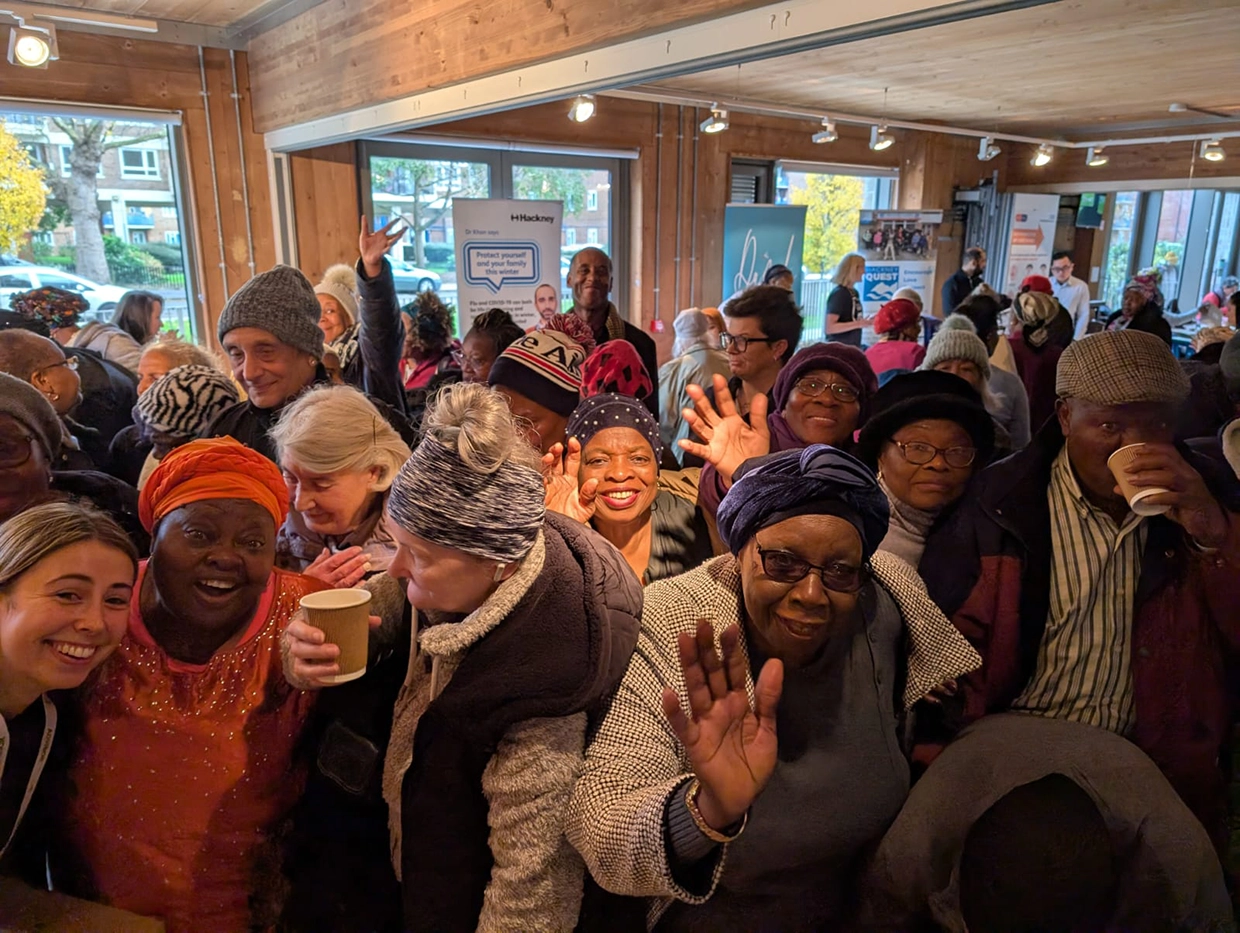
A Crew Energy event in Hackney. Photograph: Toby Costin
Community-led projects are taking the lead in the fight against climate change across Hackney and wider London.
Councils across the capital are increasingly turning to community energy groups to install solar panels and retrofit buildings with greener energy sources, according to proponents.
Toby Costin is the co-founder of Crew Energy, a London-wide group which has been at the heart of this work in Hackney.
He said: “I think what the councils are realising is we deliver [our solutions] cheaper than the commercial guys, because we’re not making massive margins. Our job is not to make profit. Our job is to deliver impact.”
Crew Energy was founded after a group of Friends of the Earth members became frustrated at the slow rate of action against climate change. Costin said: “They’d been on the marches, they’d signed petitions but they wanted to take some direct action. So they set up Crew to try and do some projects.”
Originally founded in Wandsworth, they have now spread across London, including into Hackney. Over the last few years, they have completed works at Parkwood Primary School, Hoxton Hall, the Old Fire Station and Masjid-e-Quba Mosque, installing a mix of solar panels, LED lighting and new building management systems. Together, they have saved £26,600 and 38.2 tonnes of CO2e per year.
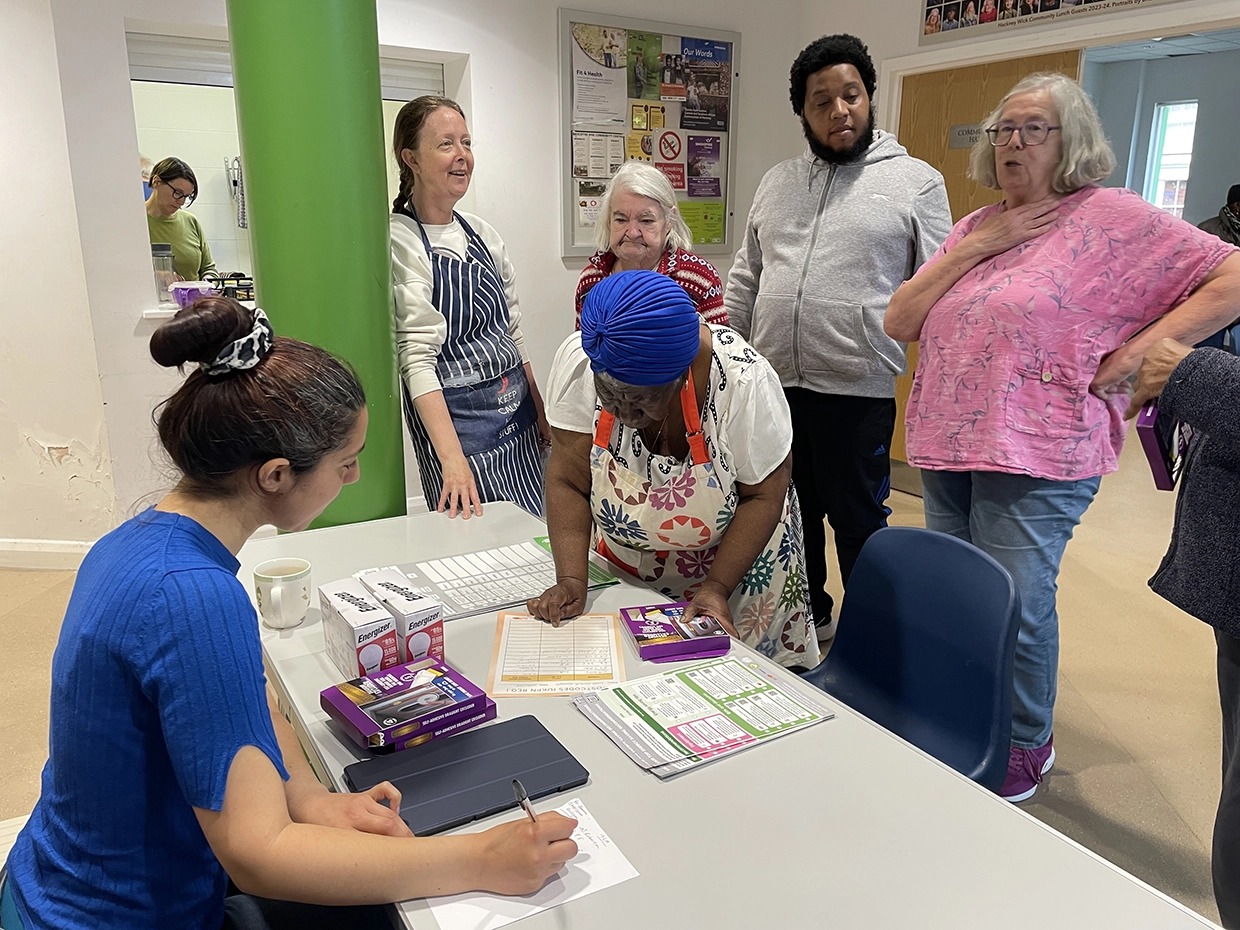
Costin believes consumers trust community energy. Photograph: Toby Costin
The projects are partly funded by Hackney Light and Power, a council-led clean energy group who run the Hackney Community Energy Fund (HCEF). Since 2022, the fund has awarded nearly £1 million in grants to local schools, faith groups and community centres working with not-for-profit energy organisations like Crew Energy to install renewables and improve energy efficiency.
Far from just providing environmental benefits, Costin said community energy groups are able to deliver more for local people: “What they also get from us is the social impact.”
Crew Energy has saved people hundreds of pounds through their energy advice service. Since launching in Hackney in 2024, it has offered 3,000 interventions to those in need of support. It also offers home visits they claim will save households £500 on average.
Costin added: “If we want to focus on a particular issue for a person, our funding allows us to do that. We can do a deeper dive and really start solving problems.”

Crew team members Izzie and Chinazo. Photograph: Toby Costin
This winter, with the support of Hackney Light and Power, the organisation will be sending out Winter Warm Home packs to 1200 Hackney residents. Packs they claim have already helped residents in Richmond and Wandsworth save over £250 on energy bills. This year it will include a toilet flushing system which will save one and half litres of water per flush, a welcome relief amidst rising water prices.
Costin said community energy groups may be able to work with communities the council may otherwise struggle to reach. The Haredi Jewish community is an example of this – Crew has recently put a bid to HCEF to work with the Beis Rochel D’Satmar School to look at reducing their carbon footprint and run energy advice sessions.
Costin said: “This is our bridge into that community.”
Crew is part of a growing movement of groups across the city which fall under the Community Energy London (CEL) banner.
Home Action Energy Lab (HEAL) is another such group which focuses on retrofitting neighbourhood buildings around Hackney to reduce energy demand and decarbonise heat.
Co-founder Dave Powis said: “Community energy is important as a bridge between people and the wider energy system.” He said it offers the opportunity for “delivering a fairer, more sustainable way to meet energy needs that retains value in the community.”
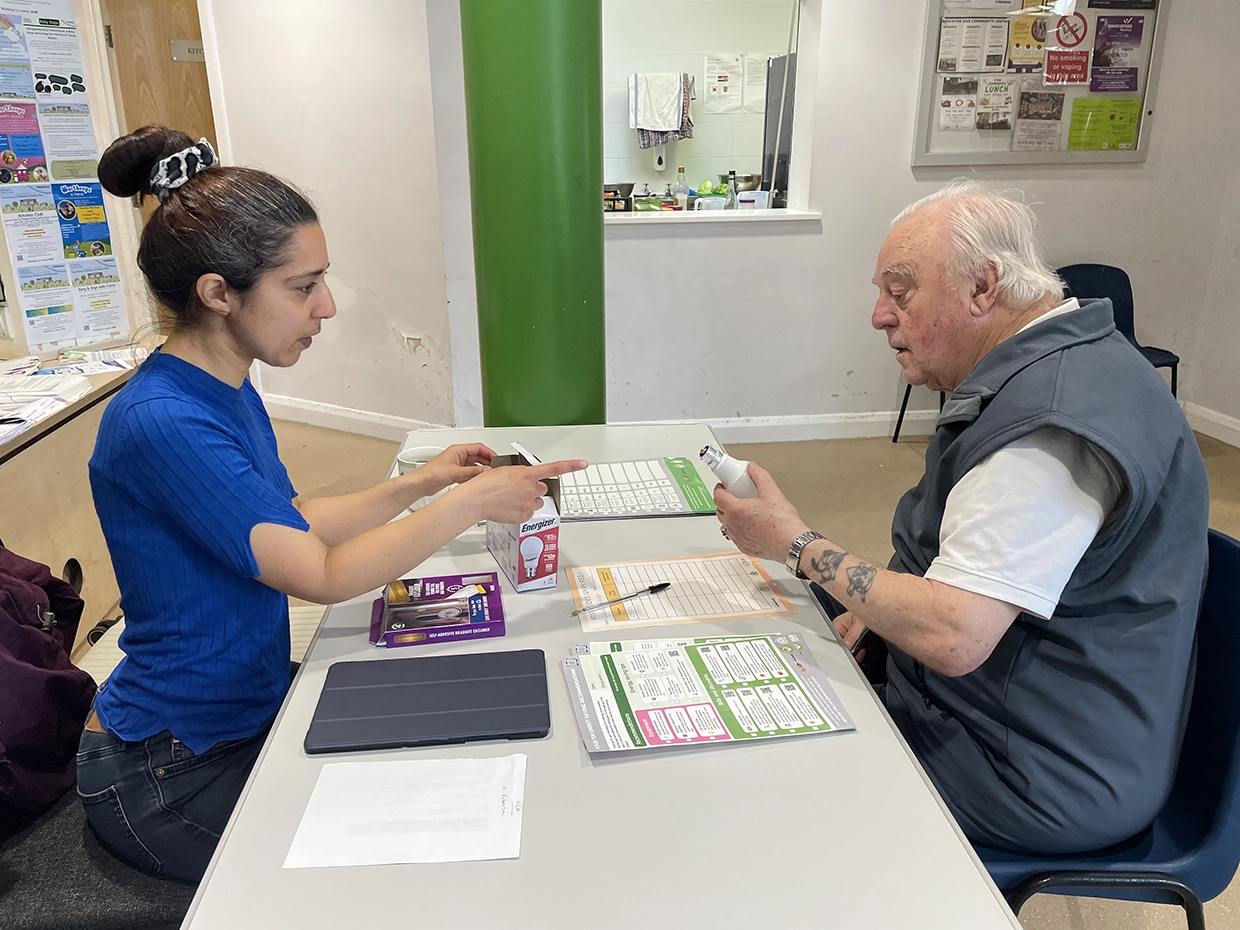
Crew wants to bring affordable energy to people, businesses and councils. Photograph: Toby Costin
HEAL has produced nine retrofit assessments on community buildings over the last three years alongside local architecture firm Buckley Grey Yeoman. At the heart of HEAL’s work is community involvement. Powis said: “Retrofit fails when it is done to people rather than with them.”
The aim of CEL’s member groups is to bring similarly-minded organisations together and build lobbying power to shape the future of climate action.
Costin said: “The great thing about community energy is there is no USP here. If we know something, we’ll share it with our groups, we share it with the council.”
Similarly, Stokey Energy – founded in 2019 by Stoke Newington residents – has installed solar panels on more than a dozen buildings in Hackney.
“We thought well let’s do something practical, something tangible, that could make a bit of a difference as well as supporting the movement,” said co-founder Tom Campbell.
But community energy is becoming a victim of its own success, as government funding is struggling to keep pace with demand. A recent report from the Poverty and Environment Trust government support offered through limited, short-term funding is being outpaced.
A significant part of councils’ abilities to fund these projects comes from their carbon offset funds, a fund developers must pay into to mitigate for emissions from new projects. Of the £170 million collected by the mayor of London’s fund since it began in 2016, £130 million of it is still yet to be spent by local authorities.
Costin said: “That’s a huge opportunity for community energy and for local civic centres, faith centres, schools to get funding to decarbonise.”
But Costin and co are hardly waiting around, they are now looking to the financial industry for further funding: “The thing to do now is to talk to the square mile. You know, there’s all that money in the banking sector. Can we have access to that?”
CEL has been in discussions with the Greater London Authority (GLA) and those in the private sector about reaching this investment.
A map of community energy projects across the capital can be found here.