
Well-versed in Newington Green
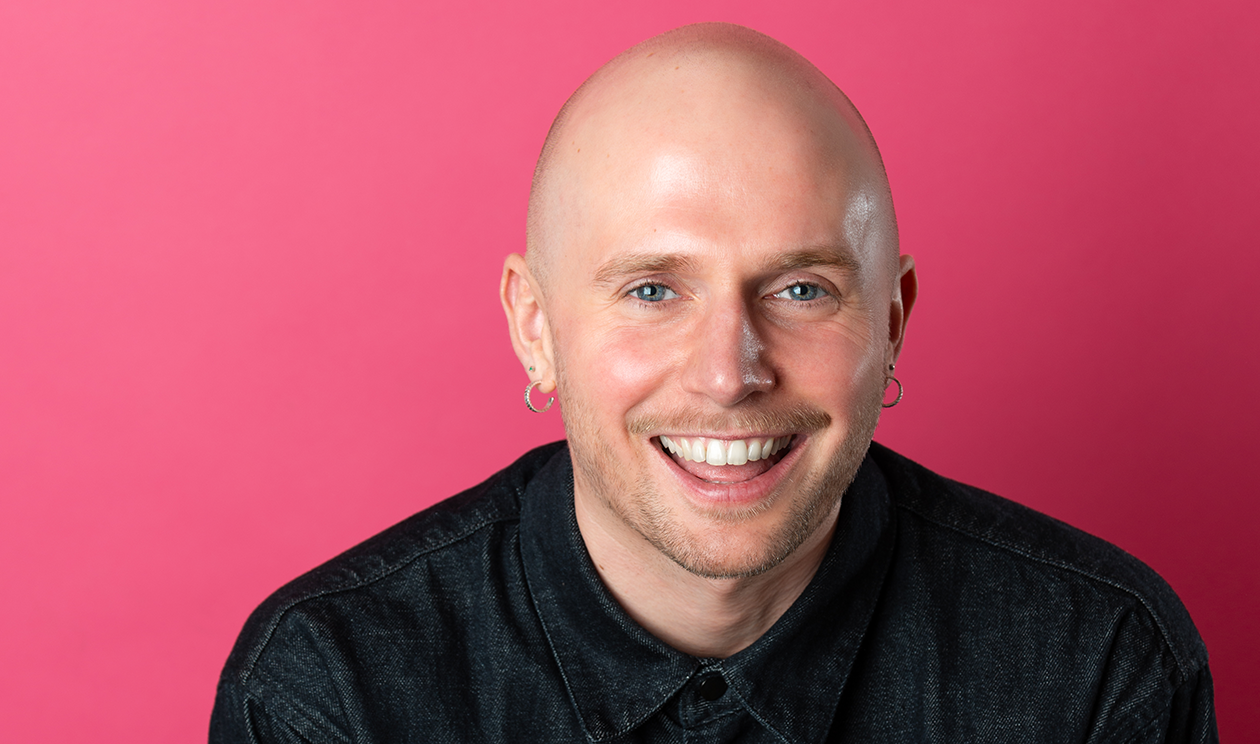
Toby Campion. Photograph: courtesy of JC Candanedo
For poet and playwright Toby Campion, poetry has never been confined to the page. It is something you step into, a gathering ground where ideas, feelings, and questions meet.
Campion is rewriting the way we think about poetry, not as something isolated or distant, but as words to be shared, embodied, and breathed out loud.
“Poetry began as a verbal artform,” he says.
Originally from Leicester and now based in London, Campion has performed his work on stages around the world.
A former UK Poetry Slam Champion, he is known for bridging performance and page, using gesture, tone, and rhythm to bring his writing to life.
“The best poets have an appreciation for both,” he says. “Joelle Taylor, Caroline Bird and Danez Smith make their work as alive on the page as they do with a live audience.”
Campion’s poems often return to memory, his upbringing in the Midlands, childhood Christmases, and the soft ache of nostalgia.
‘I love poetry’s agility, its ability to hold experiment, contradiction and change’
His work draws from personal experience, but what drives him most is the act of sharing. That impulse took form in ‘verse’, a weekly writing group in Newington Green that he founded to build community through words.
“I wanted to create a space where queer people and allies could meet that wasn’t an app, nightclub, or space revolving around alcohol,” he explains.
“A lot of writing courses moved online after Covid, but so much of improving as a writer comes from being in a room with others, listening, learning, forming connections. I wanted to make a group where that could happen.”
Verse offers writers of all levels an antidote to ‘writer’s block’.
“You’ll gain food for your creativity, exposure to new books, community and craft,” says Campion.
“If you’ve never tried creative writing before, or you’re an experienced writer looking for fresh inspiration, this is for you. It’s not just poetry either. People at verse write fiction, memoir, scripts and songs.”
London’s literary scene can feel vast and hyper-niche at times, even for those already circling within it.
“London is so big and there are so many events happening, it can be hard to know where to start,” Campion says.
“Some events and courses feel more welcoming than others.”
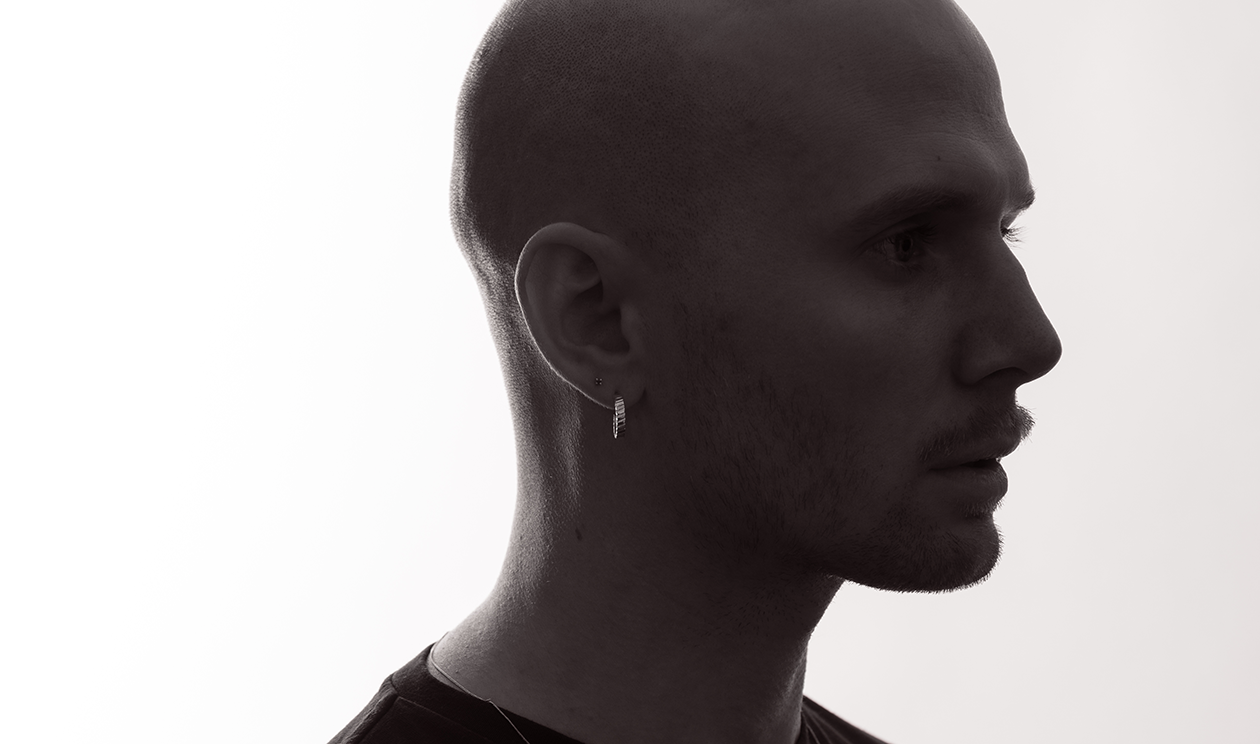
Campion publishes a monthly guide to literary events across London and beyond. Photograph: courtesy of JC Candanedo
With verse, Campion is carving out a space for authenticity over aesthetics, community over competition.
“At verse, we don’t just read poems from the page, we watch writers perform their work, because in some ways the air is a poem’s natural habitat.
Over the course of a term, I work to build people’s confidence so that by the end, they feel comfortable reading their poems aloud.”
Campion also runs the verse newsletter on Substack, a monthly guide to literary events, open mics, workshops and submission opportunities across London and beyond.
“Part of verse is helping people discover what’s out there,” he says. “That’s why the course even includes a group trip to a literature night.”
Each term begins with the group setting its own ground rules.
“Because it’s their space,” Campion says. “Respect, openness, non-judgement. Those always come up. And for me, playfulness is essential. You don’t improve unless you try things that don’t work. As Bohdan Piasecki says, ‘Shit your way to greatness.’”
He hopes to expand verse into virtual formats in the future. The poet is looking into the possibilities of allowing people to meet in a way which isn’t limited by the screen, but expanded because of it.
“I’d love to start an online group for people who can’t access it in person, and run larger one-day workshops so more people can join.”
Beyond verse, Campion continues to develop his own writing.
‘I can’t seem to keep away from the gathering ground of the poem’
His forthcoming poetry collection, due out next year, explores language, Polari, a secret slang once used by queer communities in the UK before the 1960s, and contemporary queer romance.
“Poetry for me has always been about self-expression, but also about community,” he says.
“Meeting people, listening to perspectives I might never have otherwise considered. I love poetry’s agility, its ability to hold experiment, contradiction and change.”
Teaching, for Campion, has become part of that same creative rhythm. “Poetry has the power to inspire and empower people,” he says.
“I always tell students to say yes to their ideas. Even if it feels rough or uncertain, say ‘yes’, then say ‘and’, what comes next? Add to it. Editing comes later.”
He often returns to something poet Danez Smith once said, that poems are “gathering grounds”, places where people can come together to feast on a thought or question.
“That’s what I’m drawn to,” Campion says. “I can’t seem to keep away from the gathering ground of the poem.”
In London, through verse and his own writing, Campion is quietly reimagining what it means to gather, not just around poetry, but around possibility.
Speaking communities into existence outside of fictional narratives, his Newington Green based workshops continue to grow, offering space where words become an act of shared presence.
Instagram: @verse.london